
Europe’s Cigar Bundling Problem
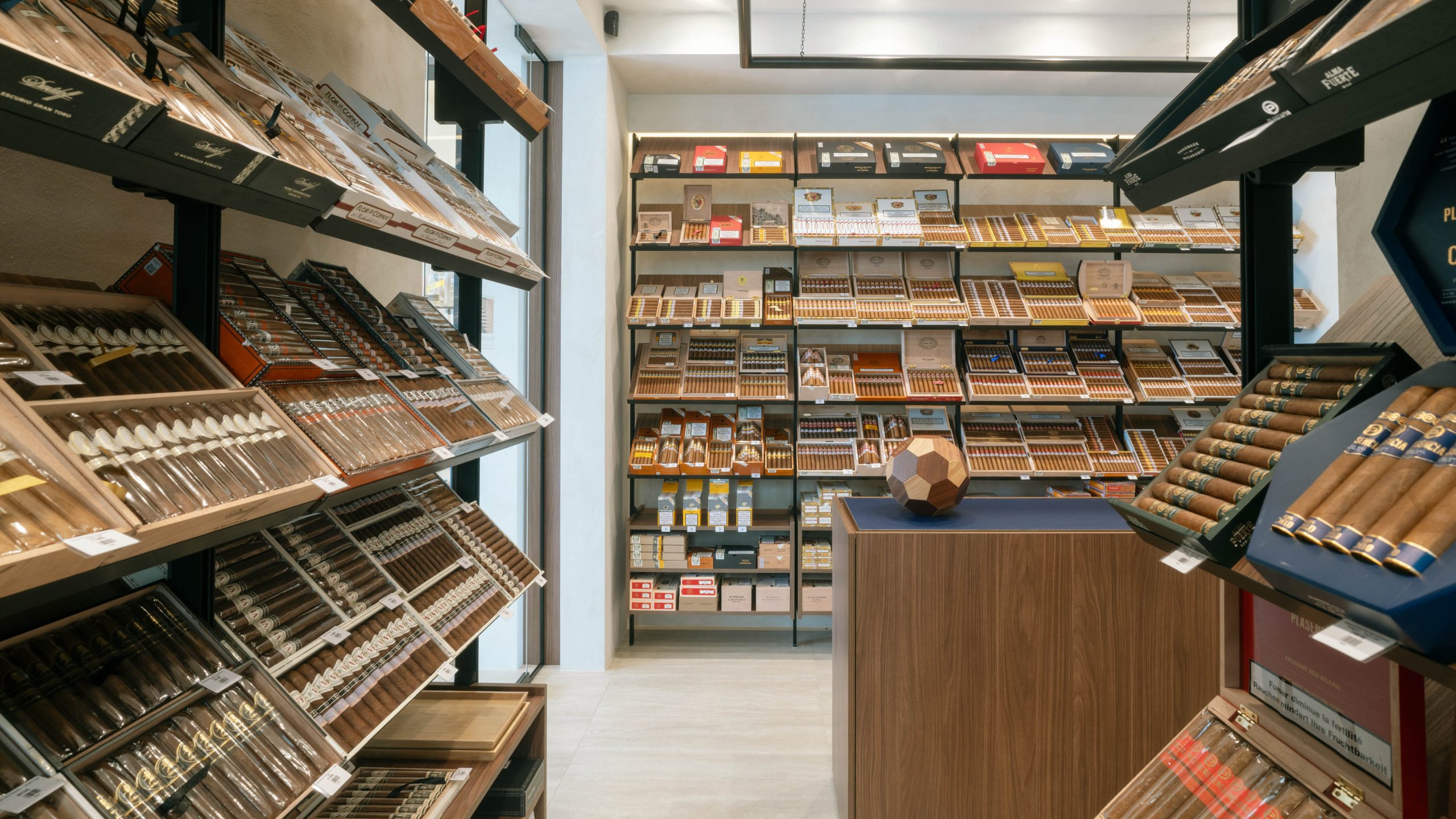
Dominique London opened its new Luxembourg store last week, and the first thing I noticed wasn’t the fit-out. It was the stock on the shelves.
Most premium cigar retailers in mainland Europe don’t carry much stock. Popular Cuban cigars are often unavailable, and when they are available you usually have to ask for them at the counter rather than pick them off the shelf. In some cases you can’t buy them at all unless you also buy boxes of slower-moving cigars alongside them.
This isn’t how the UK market works, and the difference between the two has shaped how European buyers shop for years.
European Cigar Market
Luxembourg has a fair number of cigar shops for a country of its size. The city is small but the density of retailers is impressive. Dedicated cigar lounges are less common, with the most notable being the Espace Cigare at Le Royal hotel. It sits next to the Piano Bar, stays open until 1am, and has a humidor covering Cuban and new world cigars.

What stood out during my visits was how retailers had an unwillingness to sell sought-after cigars. Asking for the new Bolivar Generales Edición Regional Belux 2025 meant being told the cigar wasn’t available unless I bought other stock alongside it. The practice is straightforward. A retailer holds back the cigars customers actually want and uses them as leverage to move the stock that isn’t selling.
In some shops, asking for a single Bolivar Generales meant it was bundled with cheaper cigars. The total went from around 25 EUR to 150 EUR. For a full box, I had to spend at least 1000 EUR before I qualified to buy it, taking the cost from 250 EUR to 1250 EUR. The extra spend went on cigars or accessories I didn’t want.
The amount of extra stock depends on how in-demand the cigar is. Regional editions, limited editions, and the more sought-after vitolas across Cohiba, Trinidad, and Partagás are the ones most often tied to conditions. Standard production cigars are usually available without strings attached.
There are two reasons this practice exists. The first is that in several European countries the retail price of tobacco is set by the government, not the shop. France is the clearest example. Manufacturers submit a proposed retail price for approval, and once approved, that price applies across the entire country. Tobacconists cannot offer discounts or adjust the price. This also means the margins that retailers have to play with are much tighter.
The second is the price difference between mainland Europe and markets such as the UK and Hong Kong. Cuban cigars in continental Europe are significantly cheaper, and that gap pulls in cross-border buyers who travel to bulk buy. This creates a situation where the local market suffers and struggles to access cigars.
Bundling helps with both problems. Tying popular cigars to slower-moving stock protects margins and adds a barrier to entry where price isn’t doing that job.
This isn’t unique to Luxembourg. The same practice exists across most of mainland Europe and has done for years.
How the UK Is Different
The UK doesn’t operate this way, and the reason comes down to distribution and market size. Hunters and Frankau is the sole UK distributor for Habanos and for the most part, it manages stock differently.
Rather than releasing cigars as soon as they arrive, it waits until there is enough stock to supply the whole market at once. Every retailer receives its allocation at a similar time, which means the entire UK trade is stocked together. The downside is that the UK market often receives new releases later than other markets. The upside is that the market doesn’t feel insecure about availability. Customers aren’t binge buying because they think something is running out, and retailers aren’t holding stock back because they know more is coming. This is arguably a benefit of releasing cigars late, after the hype has died down
Price plays a part too. Cuban cigars are significantly more expensive in the UK than in most of mainland Europe, which acts as a natural brake on binge buying. When a box costs what it does here, customers don’t clear shelves the way they might in markets where the same cigar costs half as much.
The result is that Hunters and Frankau retailers don’t need to bundle. Stock turns at a healthy pace, allocations are predictable, and for the most part, there is no shortage anxiety to exploit. Regional editions and limited editions reach the shelves in numbers that allow them to be sold on their own.
A UK customer walks into a shop, asks for what they want, and buys it at the price on the box. Regional editions are sold as singles or as full boxes without conditions. Limited editions are subject to availability but not tied to other purchases. The transaction is simple. The price is the price.
Most UK buyers have never experienced anything else, which is why the practice in mainland Europe comes as a surprise the first time they encounter it.
Dominique London Luxembourg
Dominique London is the largest premium cigar retail group in Europe, with 33 stores across seven countries. The Luxembourg store, located at 138A Route d’Arlon in Strassen just outside Luxembourg City, opened on 10 June and holds Habanos Specialist status.
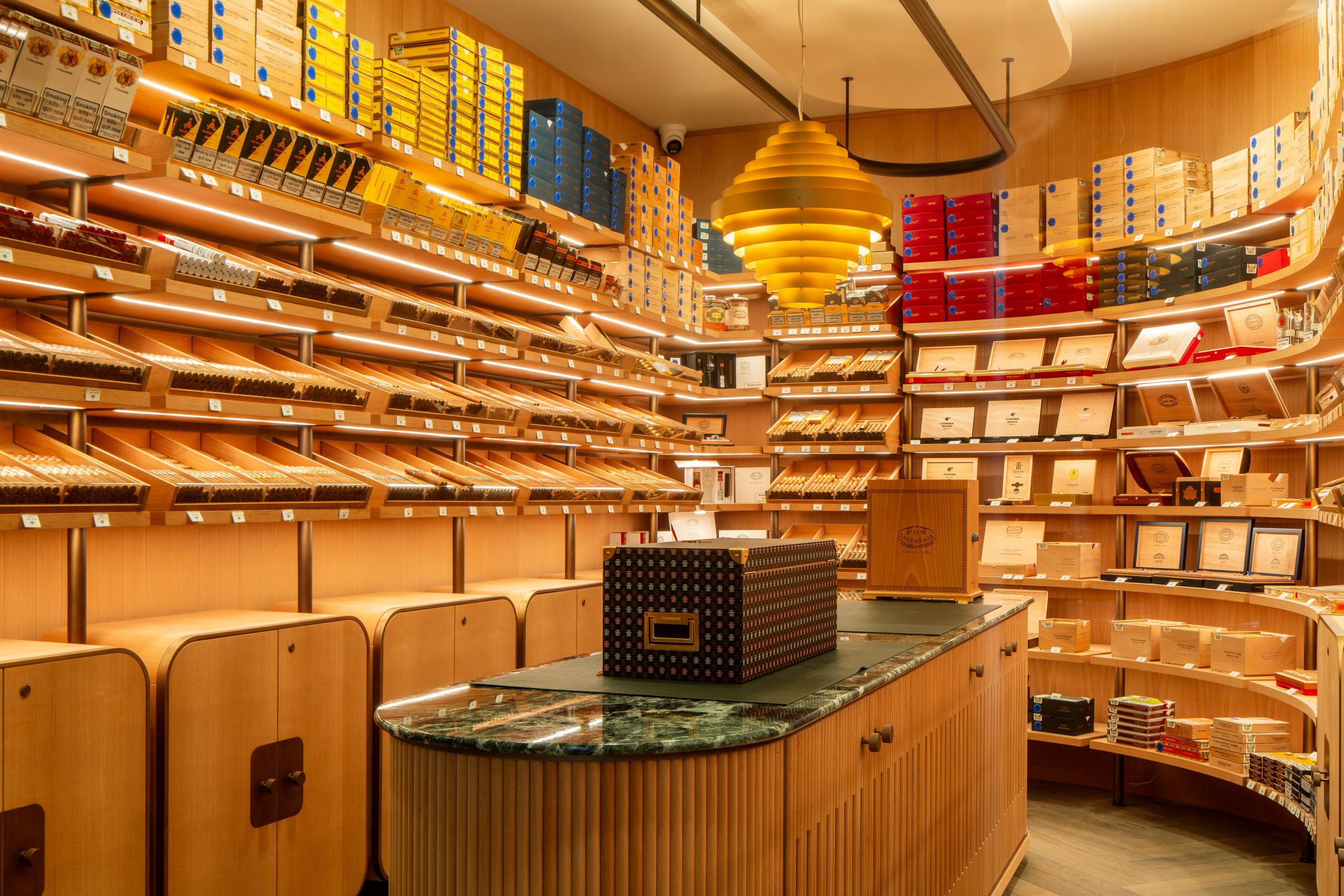
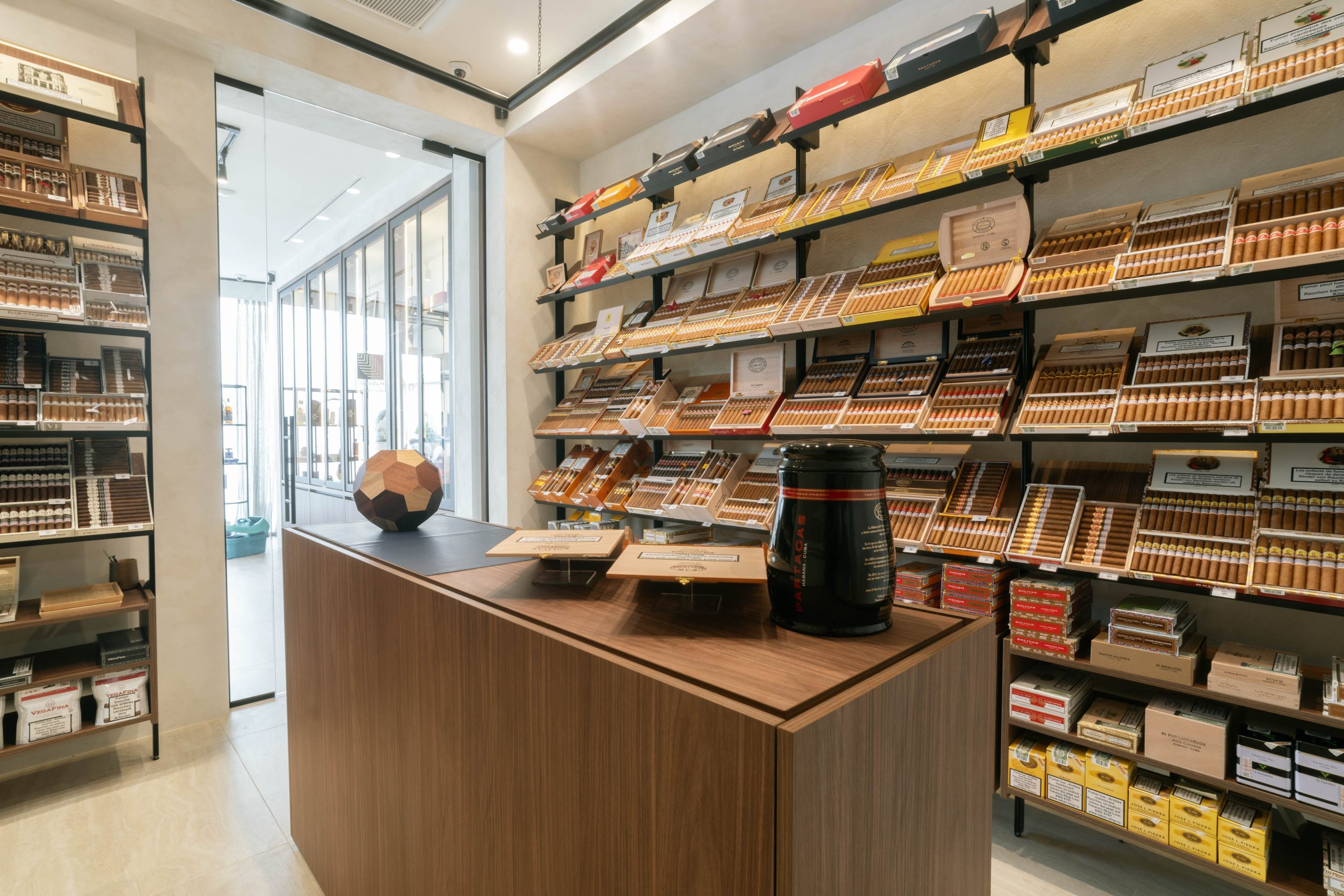
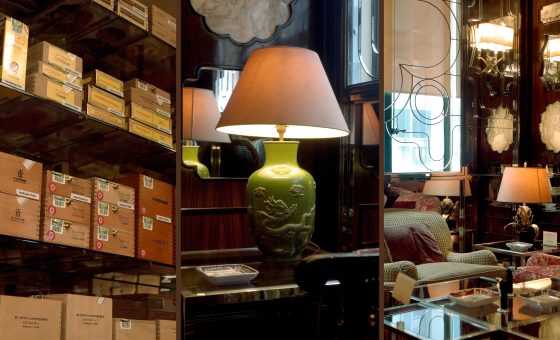
The store carries both Cuban and new world cigars across a walk-in humidor, with the kind of stock that is more typical of UK retailers than European ones. Alongside the cigars sits a lifestyle and accessories section covering humidors, lighters, candles, and spirits, including a selection of gins and vodkas from Wales and Scotch whiskies chosen by founder Dominique Gyselinck.

What set the visit apart was how the stock was being sold. Cuban cigars sat on open display across the marques. Regional editions, limited editions, and the more sought-after standard production references were all available without conditions attached. Customers could walk in, ask for what they wanted, and leave with it at the price on the box. The Bolivar Generales Edición Regional Belux 2025 was available as a single or as a box, with no requirement to buy other stock alongside it.
A group operating 33 stores across seven countries is likely to have better buying terms with distributors. This gives it room to absorb the squeeze that fixed retail pricing puts on independent retailers. Additionally, the group is large enough that cross-border customers buying cigars won’t drain inventory in the same way. The size of each allocation is large enough that individual bulk buyers don’t empty the shelves.

The result for the customer in Luxembourg is a shop that feels closer to a UK retailer without the price tag.
Final Thoughts
The European cigar market isn’t going to change quickly. The restrictions that shape it are written into law, and retailers are working within them rather than around them. Buyers travelling through Europe should expect bundling to continue and should plan around it.
The longer-term picture is more interesting. As groups like Dominique London continue to grow, customers who experience that kind of shopping will start to factor it into where they buy. The European market may not change at the policy level, but at the retail level it may already be shifting.

Comments
No comments yet
Leave a comment