Cigar Lounge Design is Lazy and Outdated
Cigar lounge interior design has looked the same for as long as most people can remember. Dark wood, leather chairs, dim lighting, a whisky cart somewhere nearby.
The layout shifts from place to place, the square footage varies, but the formula is identical. Panelling, Chesterfield, low lamp, maybe a globe, maybe a framed vintage ad on the wall. That is the extent of the creative ambition across most of the industry, and it has been for years.
Nobody designed these rooms. They copied them. Someone saw what a cigar lounge was supposed to look like, replicated it, and the next person copied that version. Repeat for twenty years. The result is an industry where the default lounge could belong to anyone because it looks like it belongs to everyone.
The copying has gone on so long that it has become its own recognised aesthetic. Search for cigar lounge design inspiration online and the results are almost entirely the same room fed back to you in slightly different configurations. The laziness has compounded to the point where it has created its own self referencing style, and that is not a good thing. It means the industry has not just stagnated, it has codified stagnation. The lack of imagination has been repeated so many times that people now treat it as a legitimate design language when it was never a design decision in the first place.
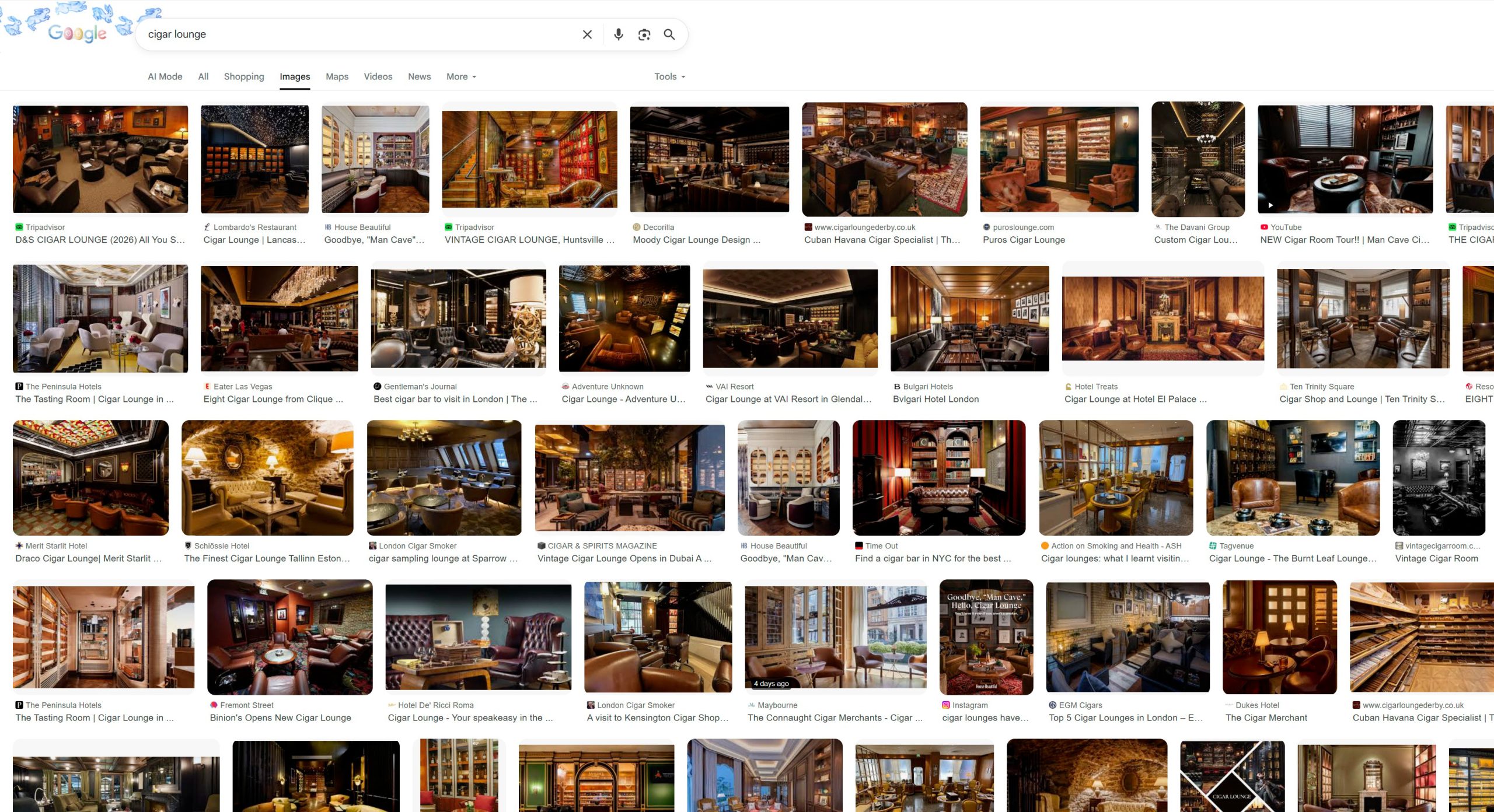
That is not tradition, it is laziness dressed up as tradition. There is a difference between honouring the heritage of something and simply never bothering to reconsider it. The industry chose the second option and convinced itself it was doing the first.
The rooms are not just boring, they are doing damage. The way a space looks tells people what to think about everything inside it before they have formed a single conscious opinion, and most cigar lounges are sending a message to the outside world that nobody in the industry has stopped to read.
How Interior Design Affects People
How people feel about a space is not a matter of taste. It is one of the most studied areas in consumer psychology, and the cigar industry has completely ignored it.
A study published in Frontiers in Psychology showed this in the most straightforward way possible. Same colours, same room, six different arrangements. The only thing that changed was where the colours were placed. That alone was enough to change whether people saw the space as luxurious and whether they wanted to stay or leave. A colour combination that tested poorly for luxury could be made to feel luxurious just by putting it on different surfaces. Same paint. Completely different perception. There is a term for this in environmental psychology. The servicescape. The idea that the physical environment is communicating something to the consumer before a single product has been presented. The materials, the lighting, the colour, the layout. All of it is talking. The design was not shaping mood. It was shaping behaviour.
The research also consistently shows that people perceive spaces with natural materials, botanical forms, and organic palettes as more valuable. That is biophilia. The human preference for connection with the natural world. It is not a trend. It is how we are wired.

Luxury hotels figured this out years ago. They used to all look the same too. Marble lobbies, gold fittings, chandeliers, dark palettes. Then brands like Aman, Six Senses, and 1 Hotels came along and did something different. They designed spaces with actual identity. Rooms that felt like they belonged to a specific place and a specific idea, not just a price bracket and It worked. The rest of the hospitality industry followed. Fashion retail followed, restaurants followed. The cigar industry however never had that moment. It skipped it entirely and carried on building the same room, while other industries moved on.
You Can’t Compete if You Look the Same
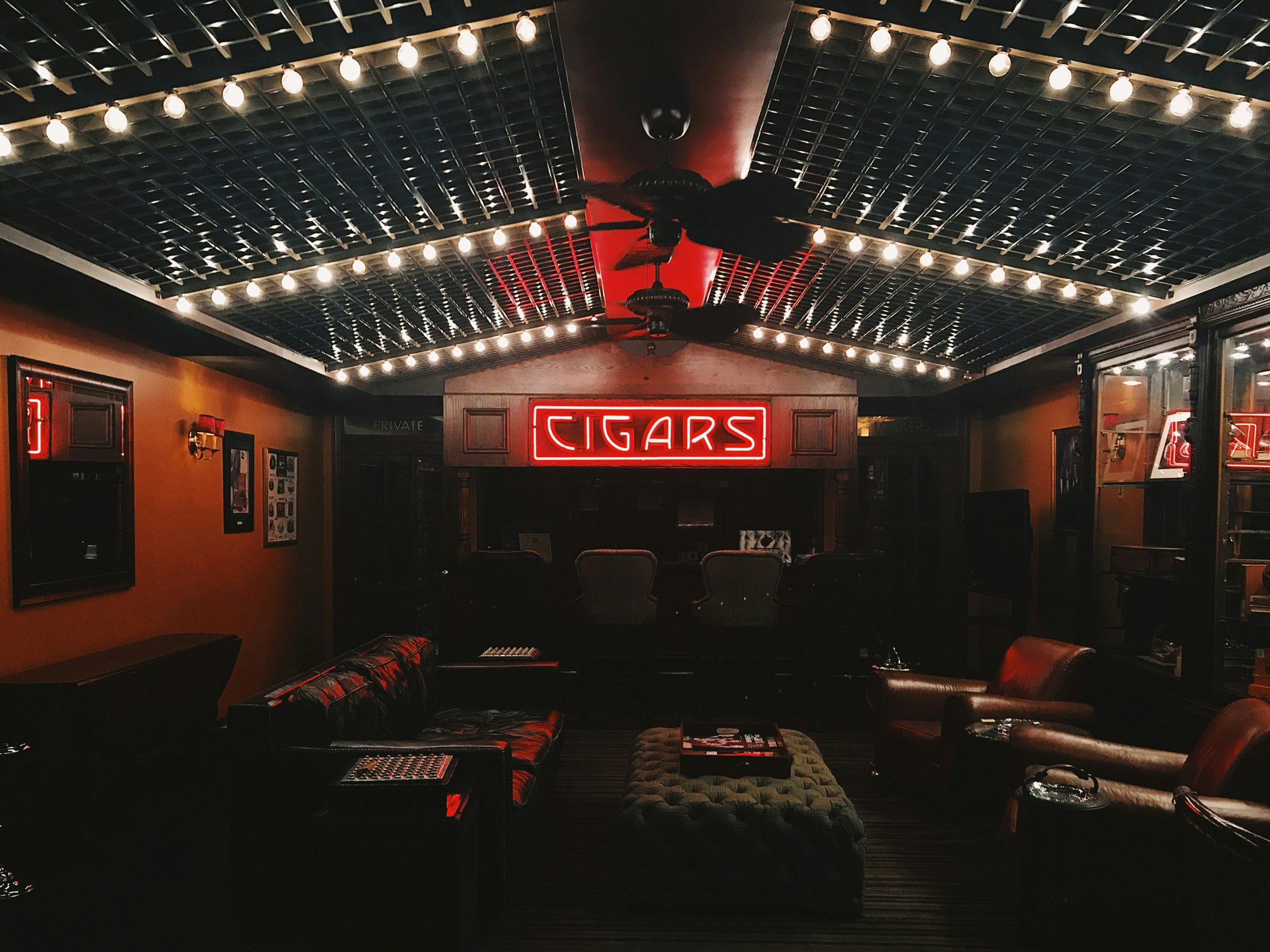
When a consumer walks into a lounge and sees the same dark wood, the same leather, the same dim lighting they have seen everywhere else, nothing registers. There is no distinction, no reason to remember that space over any other. The retailer has spent money on rent, furniture, and fit out, and the result is a room that could belong to anyone.
The lounge is where the product, the lifestyle, and the consumer relationship all exist in the same room at the same time. No website does that, no social media post does that. It is the most direct point of contact a retailer has with its customer, and most of the industry treats it as a functional requirement. Somewhere to sit, somewhere to consume the product, comfortable chairs, working ventilation, ashtray on every table. That is where the thinking stops.
Product and price are the only things anyone in this industry competes on, environment does not factor into it. But in every other luxury sector, environment is the thing that sets the price expectation, the quality expectation, and whether someone comes back. A restaurant with the same menu as its competitor but a better room will win, a hotel with the same bed but a more considered lobby will charge more. This is not theory, it is how luxury retail works everywhere except in the cigar industry.
A lounge with a clear identity, a considered palette, furniture that has been chosen rather than ordered from a catalogue, that space is working for the retailer every second it is occupied. A lounge that looks like it was put together in an afternoon is working against them. The industry has an entire competitive lever sitting untouched and most of it does not seem to know it is there.
What a Cigar Lounge Looks Like When It Is Actually Designed!
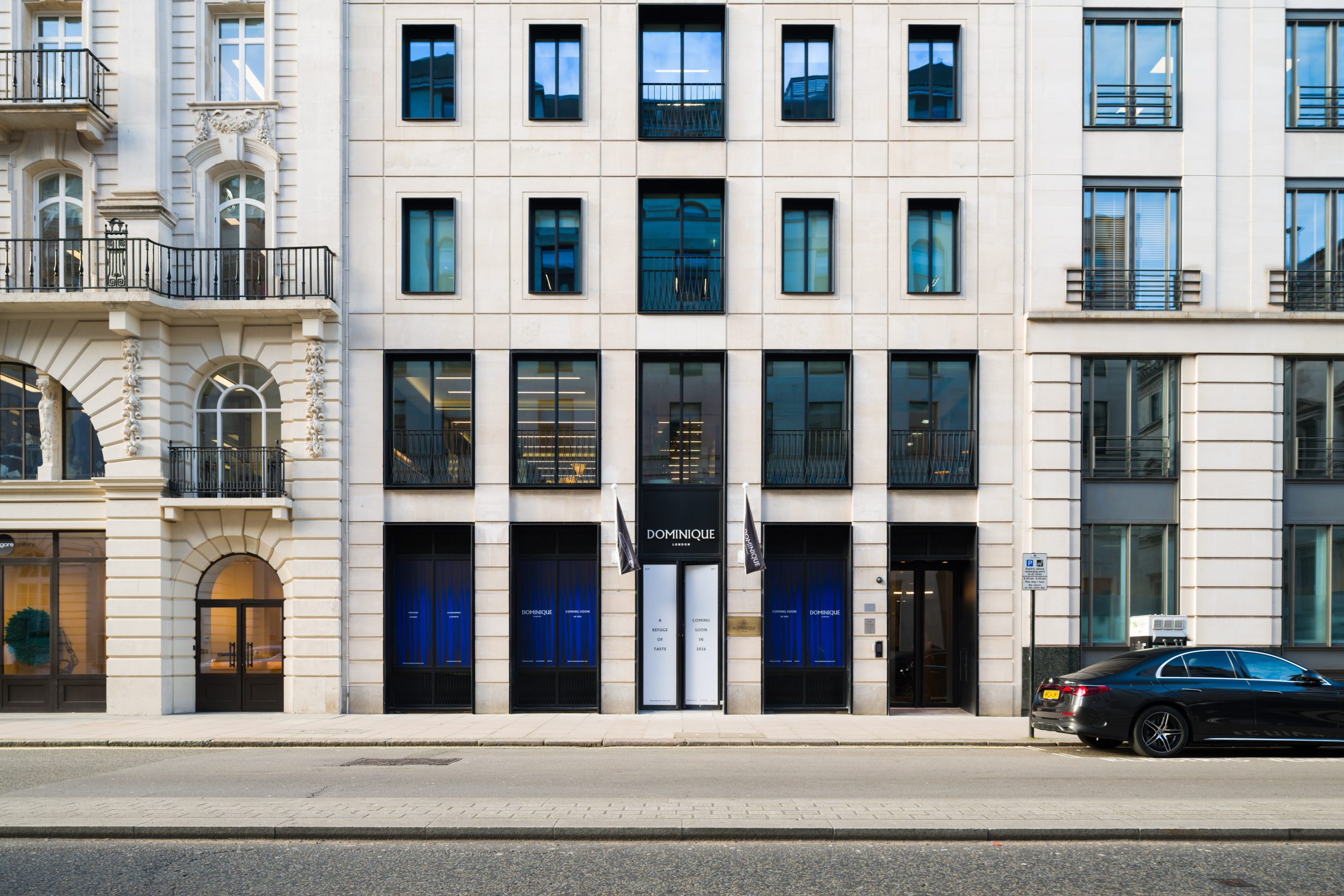
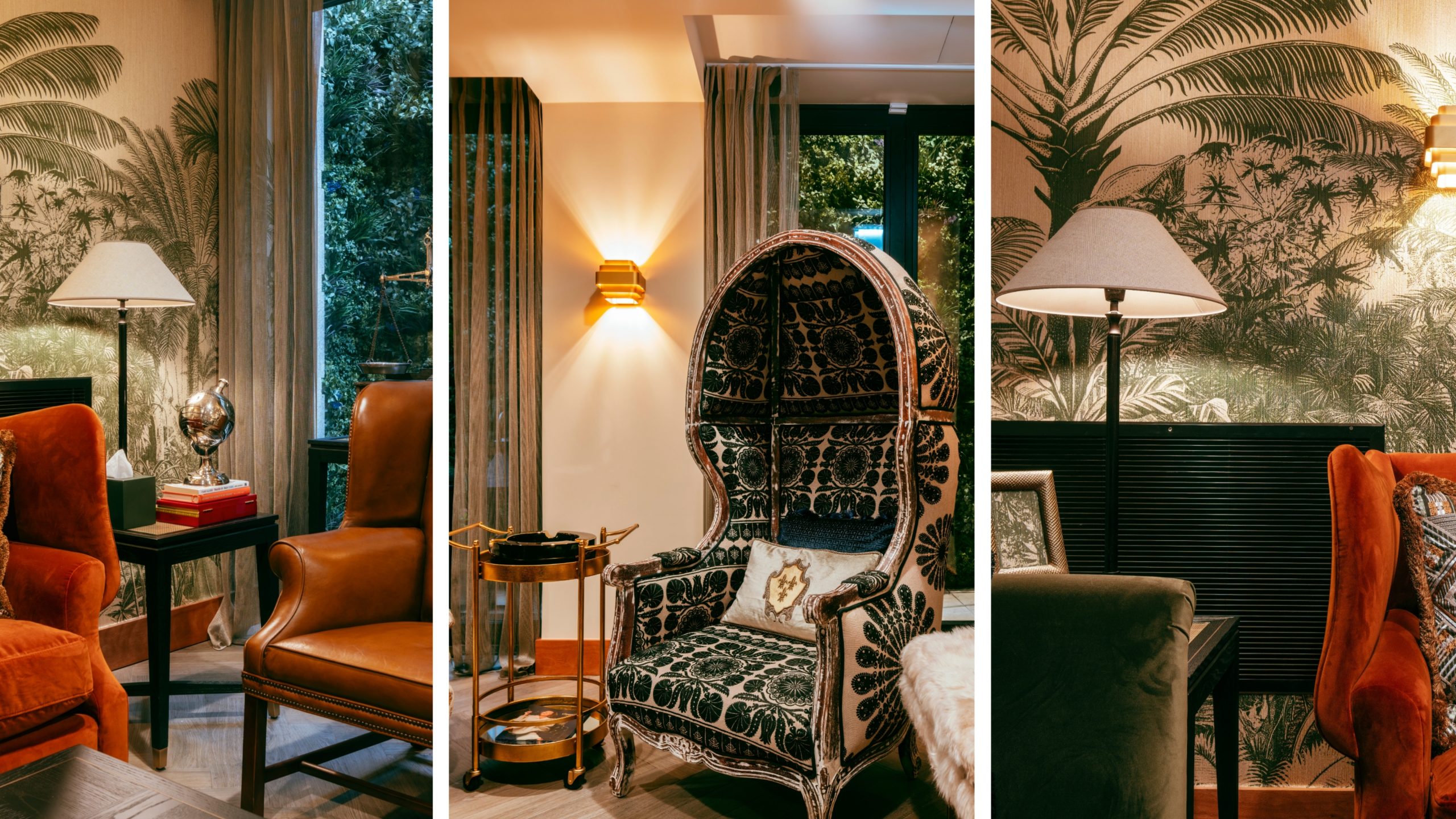
The Dominique London sampling room on Pall Mall is not a cigar lounge that happens to look good, it is a properly designed interior that happens to be in a cigar retail space.
The style is neo-colonial tropical revival. That is not a random aesthetic pulled from a mood board, it is a direct reference to the origins of the product being sold in the room. Tobacco is a product grown in Cuba, Nicaragua, the Dominican Republic, Honduras. The visual language of the room connects the consumer to that geography and that heritage without a single word of explanation.
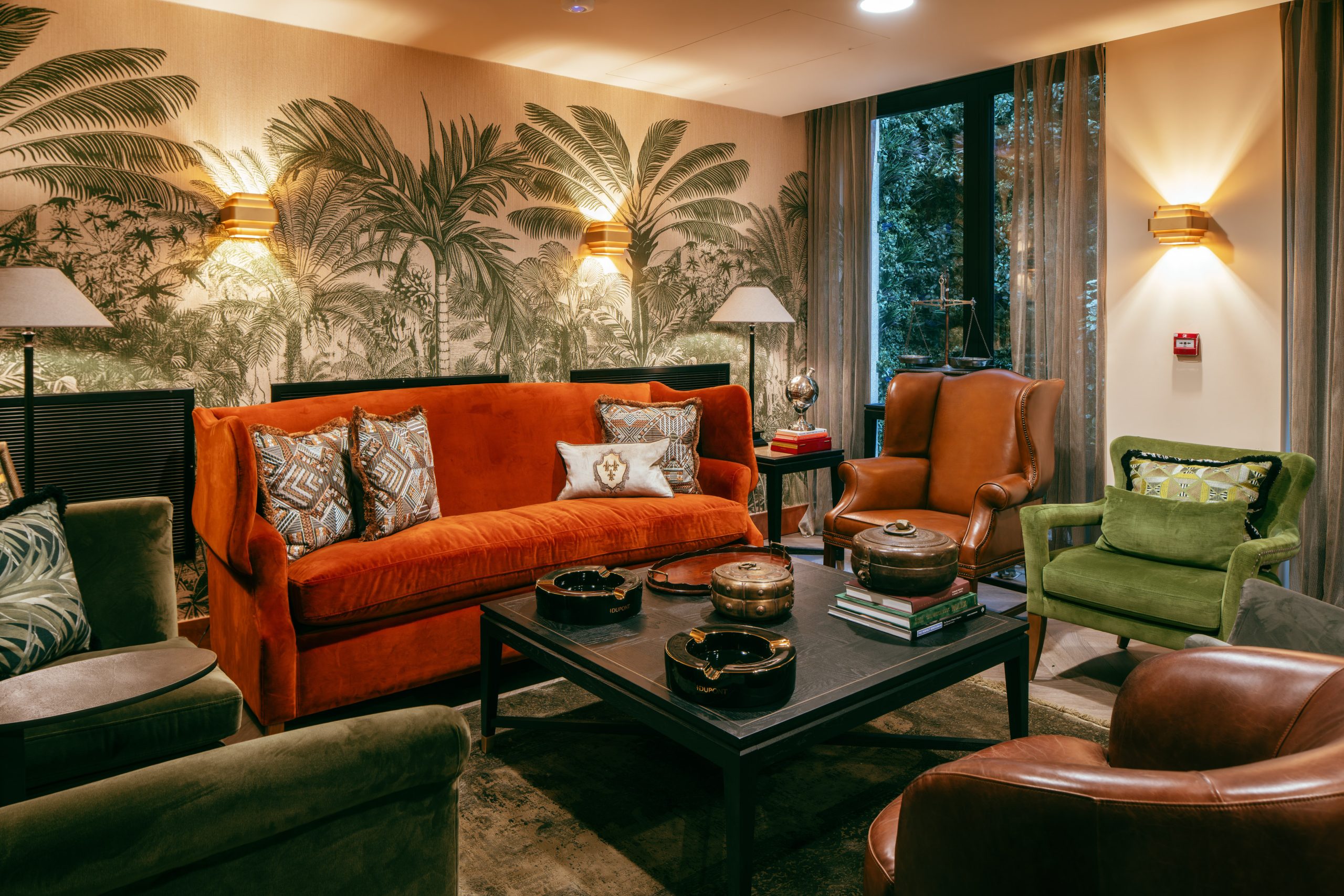
The centrepiece of the room is a full wall botanical palm mural. Spaces that use botanical references and organic materials are consistently perceived as higher quality, more comfortable, and the kind of rooms people want to stay in longer. The best luxury hotels in the world have built entire brands around this, but the mural is not generic greenery on a wall. It is tropical.
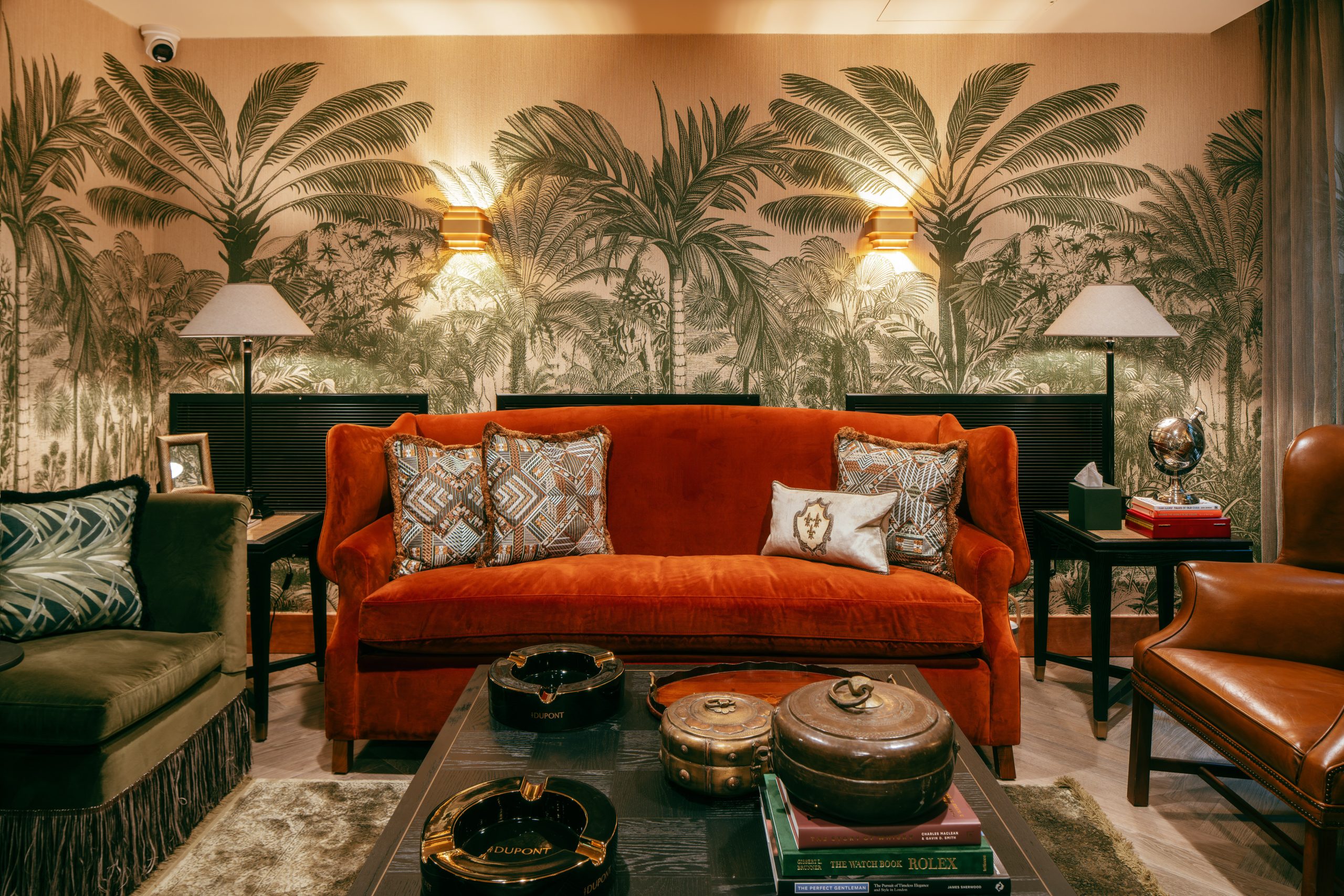
The palette is terracotta, tobacco, forest green, gold, and ivory. Warm, complex tones that reference natural materials and tropical landscapes without being literal. The research from Frontiers in Psychology showed that colour arrangement directly affects whether people perceive a space as luxurious, and this palette works because the tones are close enough to feel cohesive but varied enough to hold attention.
The furniture is where the gap between design and decoration becomes obvious. A domed suzani porter’s chair, a burnt orange sofa, a tan leather wingback. None of these pieces match, and that is the point. High end interiors are built through curation, not by ordering a matching set. The suzani chair brings pattern and craft heritage, the sofa brings colour and tactile contrast, and the wingback anchors the room in something familiar. The contrast between them is what makes the room feel considered rather than furnished.
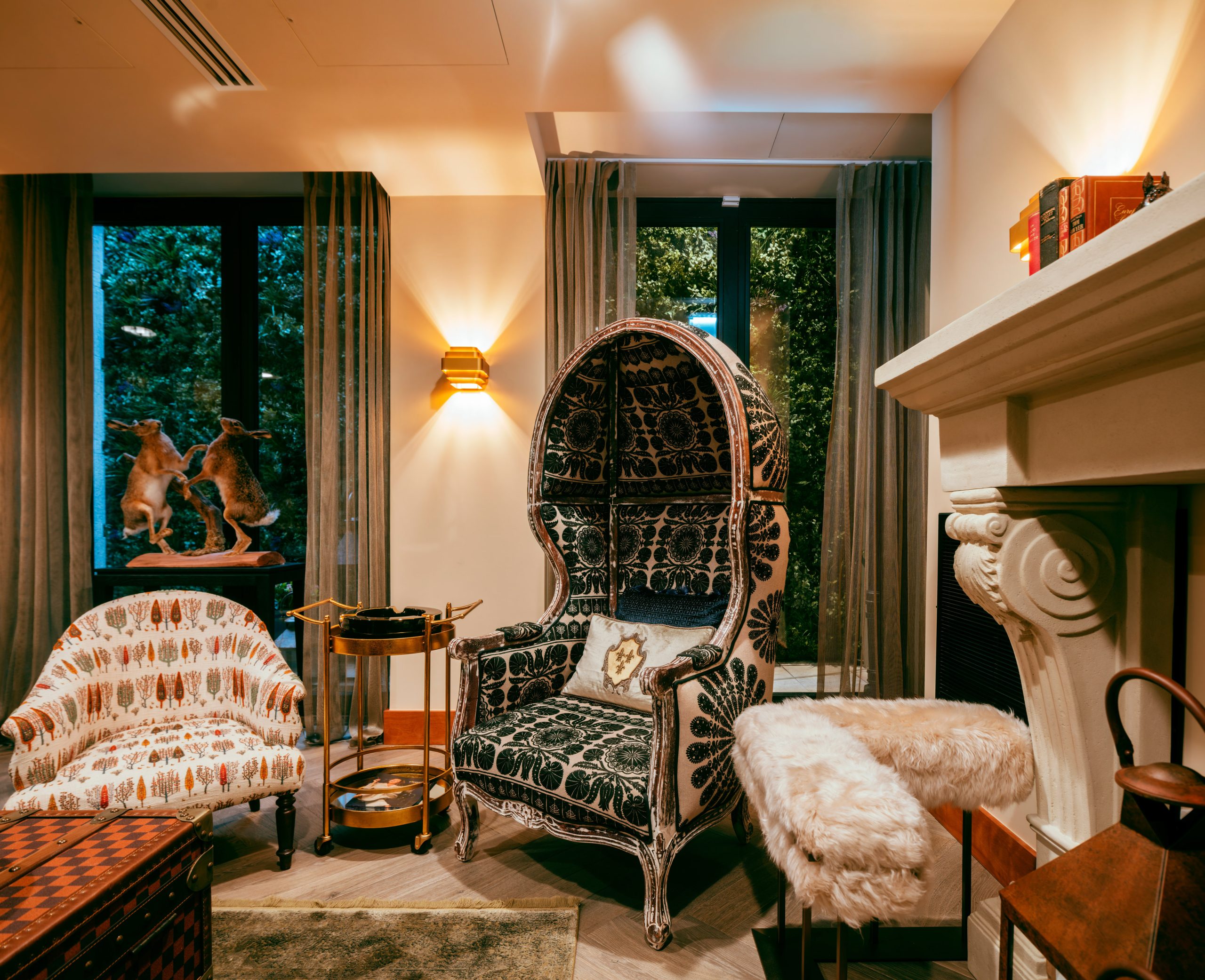
Then there are the objects. A stone fireplace with a royal crest, a trunk coffee table, Dupont ashtrays, a globe, taxidermy boxing hares. None of this is filler, each piece adds to a collected feel that says the room was put together over time by someone who knew what they were doing. The boxing hares in particular are worth noting because they are playful and completely at odds with the seriousness most cigar lounges default to. That willingness to include something with personality is a mark of confident design.
What all of this adds up to is a room with a point of view, a coherent design identity that could not be mistaken for any other lounge in the country. Every element chosen in relation to every other element. That is what genuine interior design produces.
Final Thoughts
I have spent a large part of my career as an interior and architectural photographer. I have shot luxury hotels, residential projects, and commercial spaces designed by people who take this stuff seriously. I am not an interior designer, but I have spent enough time inside well designed rooms and badly designed rooms to know the difference, and the biggest difference is almost always whether a professional was involved or not.
Most lounges are designed by the person who owns them, and that is understandable. It is their space, their money, their vision. But interior design is a profession for a reason. A designer or architect who works in hospitality understands how colour, material, layout, and lighting work together to shape how people feel in a room. They understand how to create a space that has its own identity rather than borrowing someone else’s, and they will see opportunities that nobody inside the cigar industry would think of, because that is what they have spent their careers doing.
It does not have to be a complete renovation. Even a consultation with the right person can change how a space is approached. A better palette, a few considered pieces of furniture, a focal point that gives the room something to say. These are not enormous investments, but they require expertise that most people in this industry do not have, and there is no shame in that. Most people in most industries do not have it. That is why the profession exists.
This is not about spending more money. It is about putting the money in the hands of people who know what to do with it.