The Decline of Cuban Cigars and the Rise of the New World
We are living through seismic changes in the world of the hand rolled cigar.
The cigar ‘industry’, if I may call it that – although it seems a rather crude term for what is an incredibly hands-on, vibrant, artisanal and creative hive of personality and panache — is going through greater transformation today than it has for decades. Greater, perhaps, than it has for centuries.
On one hand, you have the astonishing metaphorical capsizing of the good ship Cuba, which once sailed perennially serene seas and yet finds itself adrift in a life raft-grabbing maelstrom of a moment.
And on the other hand, you have a sleek and modern non-Cuban or New World yacht, which has toiled in the wake of HMS Cuba for as long as anyone can remember — but now comes powering through the waves at a rate of knots while waving cheerily to its stricken cigar brethren from across the Caribbean Sea.
As someone who has been in ‘The Game’- as the late, great Simon Chase of Hunters & Frankau, sole importers of Cuban cigars in the UK, used to affectionately refer to it – for many years now, I have watched with interest – and at times astonishment – as things have played out.
The Changing of the Guard
What we are currently witnessing is a changing of the cigar guard. Where once the Cuban cigar industry was omnipotent – outselling, out-producing and out-performing all comers – we now have a frighteningly adaptable New World cigar sector with gathering momentum.
For this first in a regular series of columns for Cigar Inspector, I thought it would be a good place to ask what has happened in recent times. And how did it all come about?
The answer is complex and multi-faceted. It’s important to remember that this turnaround isn’t a new and sudden phenomenon; it’s been built on the back of the hard work and serious financial investment of generations of tobacco growers and cigarmakers in places like Honduras, Mexico, the Dominican Republic, Ecuador, Nicaragua, Peru and more. It has also been aided by the continued downturn of the Cuban economy – and the inability of its cigar industry to adapt, invest in and maintain its monopoly.
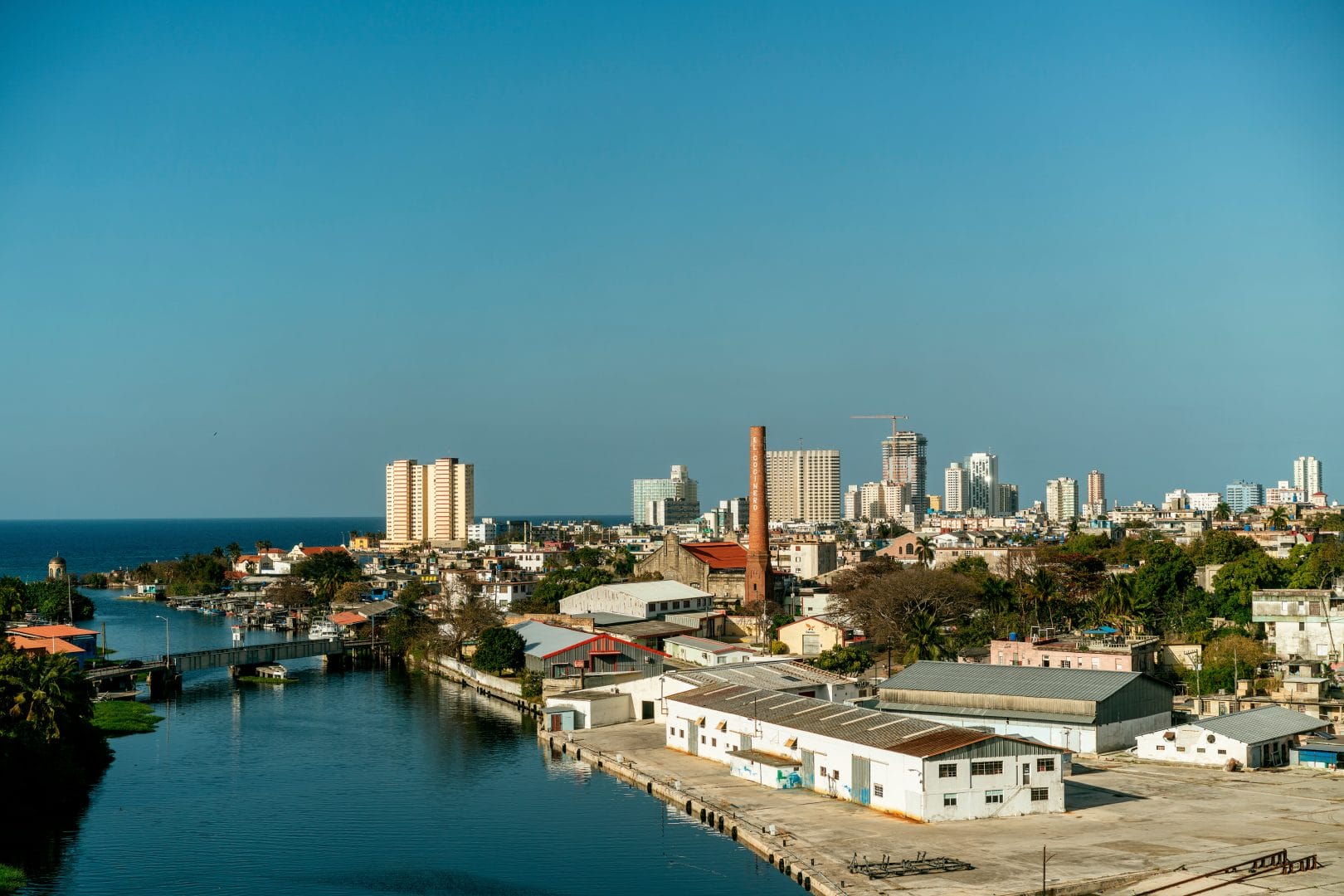
Golden Times in Havana
I was fortunate that my increasing passion for cigars and their creators, histories and flavours came in my formative years when Cuban cigars were readily available in the UK – and at what we now look back on as bargain prices. They seemed eye-wateringly expensive enough to the young scribe Hammond, but I was able – cigar by cigar – to embark on a wonderful journey of discovery through the ‘Houses of Havana,’ trying as many different vitolas as I could from each marque and broadening my cigar education, palate and pleasure all at the same time.
One of the things that makes me sad about today’s situation in relation to the price and general availability of the Cuban cigar is the gloomy thought that a modern cigar voyager is unlikely to be able to follow a similar education path today – unless particularly affluent or bankrolled by mystery backers.
Back in the day though, I was in a prime position to enjoy the fruits of centuries of Cuban tobacco mastery, both at a reasonable price – and with wonderful people like Simon Chase and Edward Sahakian of Davidoff of London to guide me.
Golden times indeed.
And if Cuba’s quality control was sometimes a bit spotty (plugged cigars are not a new phenomenon) and the Cuban industry had a few wobbles every now and then (the Millennium years, anybody?) we were prepared to put up with this in return for those truly ethereal moments when the Cuban stars aligned to produce Heavenly smokes.
It’s fair to say that, like the little girl who had a little curl, when Cuban cigars are good, they are very, very good. But when they are bad, they are horrid.
A Gaze Across the Pond
Many years ago, my eager gaze was inexorably drawn across the pond. Here, Cuba did not – could not – dominate, and yet a large cigar scene was becoming larger on a wave of fresh optimism and an injection of new blood. Manufacturers now considered cigar rock stars, were then just starting to put their heads above the parapet; their trendy, ’boutique’ brands were the exciting new kids on the block. I read every book and magazine I could find, delved into the relatively new and unruly internet, listened to US-based podcasts – when podcasts eventually became a thing – and I talked to anyone who would listen about cigars. Or rather, I listened more than I talked to those who knew whereof they spoke. I still try to do this every day.
Back then, nobody was writing about New World cigars in the UK. It seems odd to look back on it now, but that’s how it was. Here, Cuba was King. The ‘possession stats,’ to use footballing parlance, were 90% Cuba 10% elsewhere. If that.
I recognised early that there was a niche here, and where America goes, the rest of the world eventually follows. Thus began the second phase of my cigar education.
The New World’s March
The foundation of the New World’s march on Cuba’s market share came with the rejuvenation of the American cigar industry in the 1990s; led by names like Jonathan Drew; Pete Johnson; Dion Giolito; Jon Huber; Rocky Patel, Nick Perdomo and more, the US breathed new life into an old game – and made traditional brands up theirs.
Cigar Aficionado magazine undoubtedly helped, with its glossy, movie star, cigar lover front pages. American money and creativity, combined with a love and respect for tradition led to a genuine blossoming; the world realised there was a serious art form to be studied and enjoyed in the bunching together of old, dried leaves.

Cuba went through its ‘Special Period’ in the 1990s and arguably has done so more than once since. The economy tanked and its people went through intolerable hardships. It is a recurring theme. The changing geo-political scene of the 90s and 2000s reduced the funds readily available to Cuba from friendly nations. Cuba’s cigar industry paid its staff less than the New World; was less able to invest in infrastructure and agronomy than the New World; and was unable to respond as quickly and adroitly to natural disasters and predictable commercial setbacks than the New World.
Manufacturers from other countries therefore continued to make inroads into fresh markets, especially Europe, which America up until now had largely ignored. There are exceptions to this; if you are able to find a copy of Cinco Decadas: The Rise of The Nicaraguan Cigar, a wonderful, coffee table book I wrote to celebrate Joya de Nicaragua’s 50th anniversary back in 2018, you will find stories of brands making interesting early ventures into strange new lands, often due more to serendipity and circumstance than pro-active planning. The benefits of these early breakthroughs are still being enjoyed by some of these brands today.
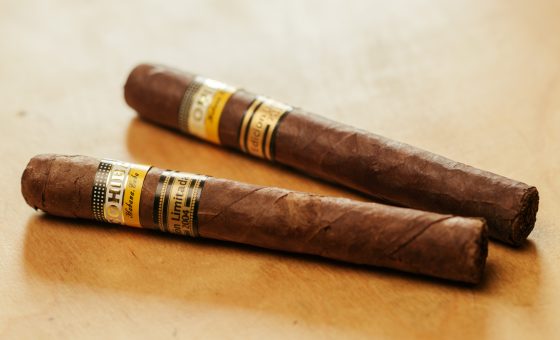
The US industry grew, yet Cuba continued to dominate. Their clever Regional and Limited Edition projects were a resounding success. The Cohiba Behike line stands as the last truly great monument to Cuban cigarmaking and marketing. For now.
The Perfect Storm
The Covid outbreak ultimately created the perfect storm to launch a New World assault on Cuba’s market share. Unable to adapt and continue investing, Cuba struggled to find enough trained rollers and to pay enough farmers to grow enough good leaf. While they profited from people elsewhere stuck at home on furlough, enjoying an uptick in their cigar consumption, this was the crucial beginning of a Cuban cigar ‘crash’.
New World manufacturers also watched their sales soar during Covid – but were able to plan ahead and heavily re-invest for the future to ensure they kept riding the crest of the wave. Post-Covid, a vast ‘brain drain’ of ambitious young people left Cuba to seek their fortunes elsewhere – the US cigar scene in particular benefitting from this migration of the cream of a young cigar generation, with its centuries of handed-down cigar lore and a powerful desire to follow The American Dream.
The Rolex Route
The Cuban industry also decided to go down the Rolex route, with a series of eye-watering price hikes, intended to both tackle the problem of ‘grey markets’ making margin from differing regional pricing while creating an uber luxury cigar sector to justify charging ever higher prices for their flagship brands. The jury is still out on whether this a) has worked and/or b) is very clever.
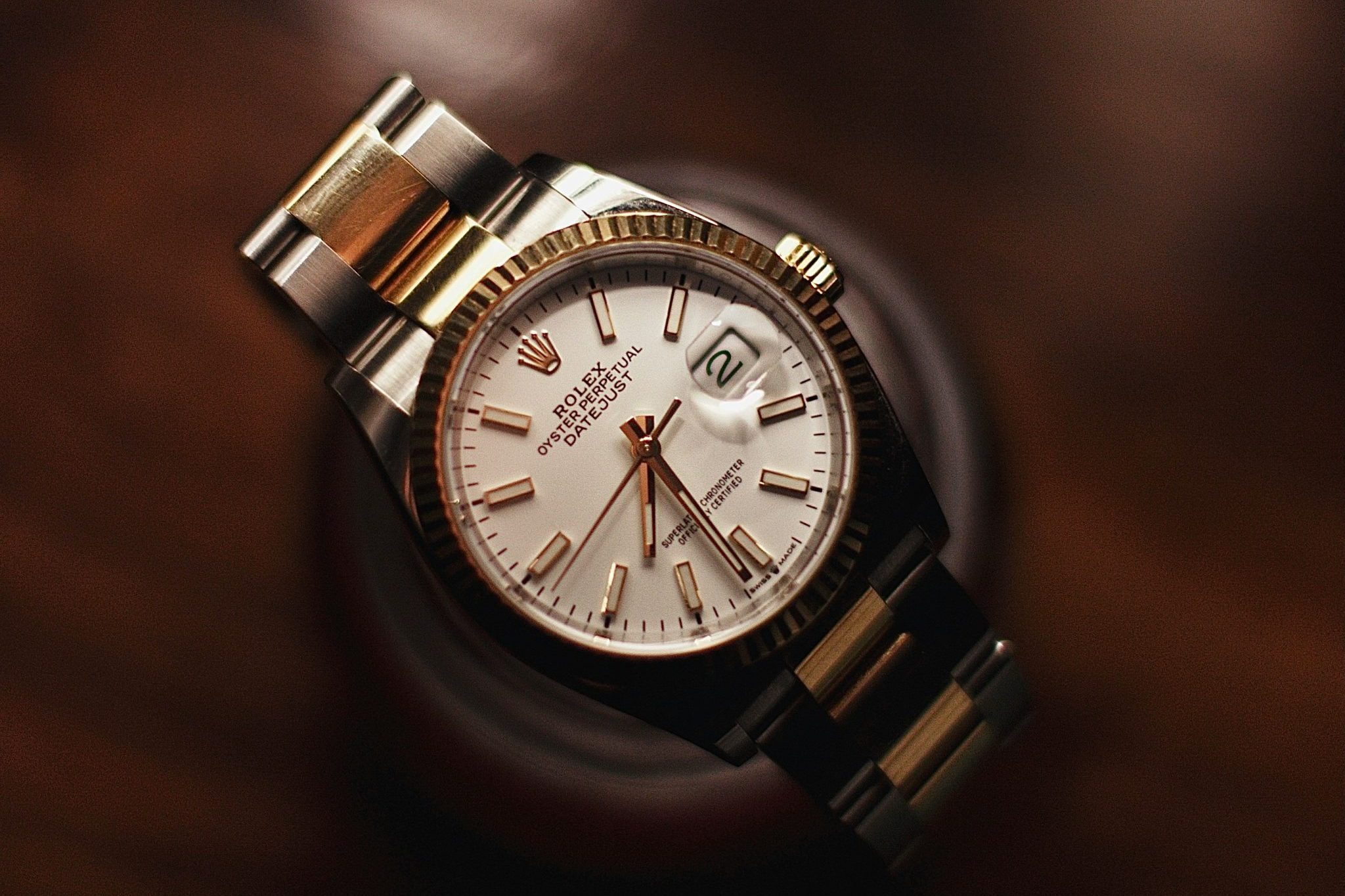
Cuba continued to make great cigars, but in much smaller numbers and at a much higher price. Regular production, everyday Cuban cigars became harder and harder to find – and just as hard to afford, even if you could. Long-term supply issues compounded the situation. Increasing numbers of cigar lovers began to water down their Cuban-only brand loyalties and found themselves trying cigars from other places. Put simply, many became more interested in smoking a reasonably priced, well-made and readily available cigar than trying to stick with Cuba.
Where We Are Now
Today, supply of Cuban cigars remains a problem in many countries of the world. The vast range of Cuban stock some of us were once accustomed to is a thing of the past, although UK cigar merchants remain among the best stocked. The New World is now the world’s leading exporter of hand rolled cigars – by a country mile. This is where I find myself, having been a fascinated firsthand close witness to all of the above.
I have visited all the major cigar making nations, and several of the lesser. I have written multiple books about cigars and am embarking on the third book in my Around The World in 80 Cigars travelogue series, this time in collaboration with the Premium Cigar Association of America. It will be a timely snapshot of today’s vibrant US cigar scene, it will be called Around The World in 80 Cigars – The American Dream, and it will be published in 2027.
Cuba Is Not Dead
The Cuban cigar industry is not dead.
In the long term, there is hope that Cuba, with shifts in its economy, its relationship with America and in resolving the decades-long brand dispute with ex-pat Cubanos who would love nothing more than once again farming great tobacco in the old country, could yet see itself back in the spotlight for more of the unbridled joy only a great Cuban cigar can deliver.
For now though, the old days are long gone. There is, quite literally, a ‘New World Order’. Despite the moans and groans about how things have changed, it is a wonderful time to be a universal cigar lover; and never a better one to explore new leaf, land and lineage to educate your palate.
I hope you will join me on what has been – and continues to be – the most joyous journey of my life.