
Before You Start a Cigar Brand, Read This
The cigar world has a way of making people dream. The reality rarely looks anything like what they imagined though.
I’ve worked for a boutique cigar brand for several years, tried to launch my own, and spent years around founders navigating it from the inside. My own brand didn’t survive contact with reality: not enough time, not enough capital, and banks that increasingly won’t touch anything tobacco related. Additionally, I’ve spent years alongside founders of small and bigger brands, watching them navigate a world that’s far more complicated than it looks from the outside.
Everyone Has a Dream, Few Have a Plan
Over the years, working trade fairs, spending time behind the counter of cigar lounges, and travelling across Europe and the United States, I’ve met all kinds of people who wanted to start their own cigar brand. The motivations vary more than you’d expect, but one thing is consistent: very few of them approached it primarily as a business.
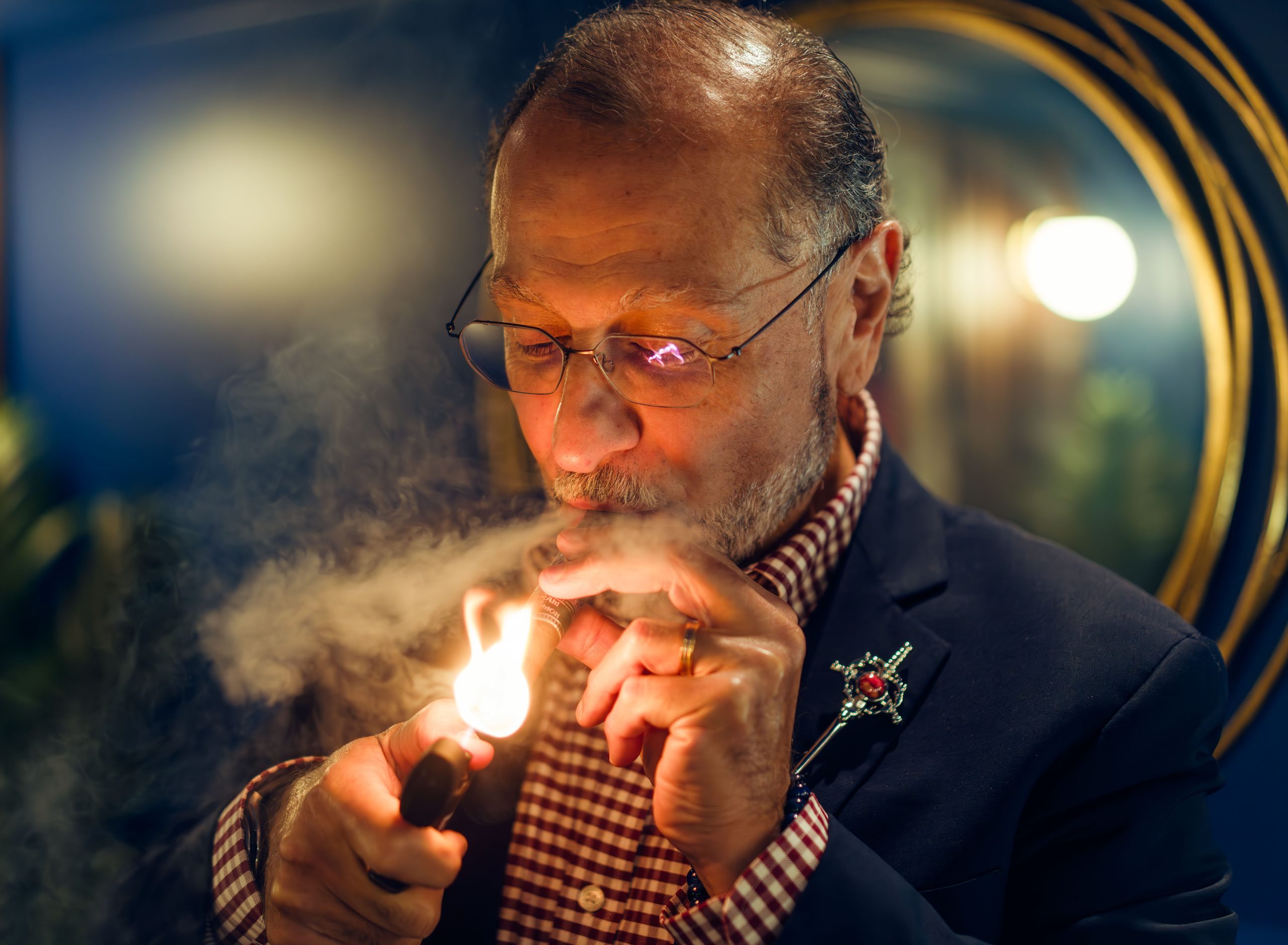
Some want to create something, leave a mark, or simply impress their friends. Others see it as a natural extension of a passion that has already taken over a significant part of their lives.
A friend of mine in Tampa opened his own cigar lounge for the pleasure of it, as a side income, and before long decided to launch his own brand on top of that. It’s a pattern I’ve seen more than once: the lounge comes first, the brand follows, and suddenly what started as a hobby has become a full commercial operation with all the complexity that entails.
In Belgium, a sales representative for a major tobacco distributor launched his own affordable cigar to complement his existing portfolio.
Another is a German-Cuban founder I know who trained at the H.Upmann factory in Havana. His father runs a manufacturing operation in the Dominican Republic and he took over a cigar lounge in Berlin before launching his brand. These founders already have contacts, infrastructure, insider knowledge, and credibility before they’ve sold a single cigar giving them great advantages.

Others arrive with passion and talent but less structural support. For instance, a cigar sommelier in the US with solid industry connections and a strong social media following launched her own brand and came to me for advice. What she discovered was that her manufacturer was charging nearly twice the market rate, because she lacked the leverage to negotiate and possibly the knowledge of what the market actually pays.
Another American brand founder, this time from Florida, reached out to me as well, eager to take her local brand international. However, once we sat down and went through costs and mechanisms, the reality of the situation was less appealing. Her brand is unfortunately still not available outside of the US today.
What all of these people have in common is that they underestimated one fundamental thing: this is a business first. A passion-driven one, a pleasure product, an industry built on ritual and craftsmanship, but a business nonetheless. And businesses run on margins, contracts, regulations, and relationships. The problem isn’t the dream, it’s what nobody tells you about what comes next.
You Don’t Choose the Tobacco, the Factory Does
There’s this illusion that you’ll select your own tobacco, sit with one or two master torcedores, and refine your blend until it’s exactly what you set out to create. But for the most part, unless you have the capital to build your own factory and own your tobacco fields, the reality is far less romantic.
Access to quality leaf is a closed market. The best wrappers and fillers are often locked behind long-standing contracts with established manufacturers. Even factories that are open to producing tobacco for new brands aren’t necessarily an easy way in because as a new brand, you’re still at the back of the queue.
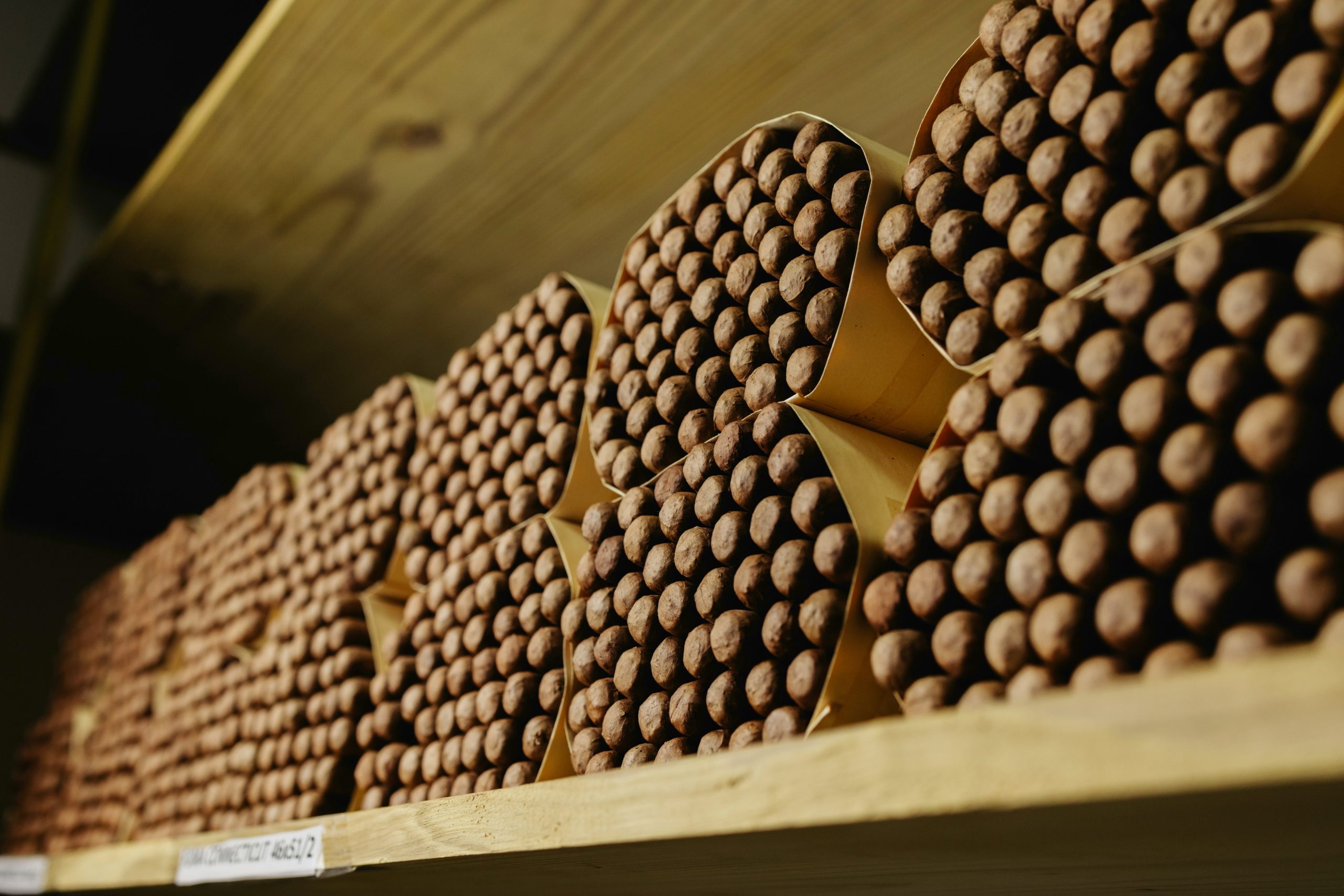
In a lot of cases, you’re stuck with whatever a factory is willing to sell you as opposed you being able to select the tobacco you want. And this is generally at the price they set, in minimum quantities that few newcomers can comfortably absorb. Alternatively, you may be offered an existing blend with your band swapped onto it, rather than anything built around your vision.
To compound the problems, many facilities manufacture for ten, twenty other labels simultaneously, meaning consistency from one batch to the next is never guaranteed. Your blend can shift without you having made a single decision, simply because the leaf available that month isn’t quite the same as usual, and if you’re not on the factory floor to supervise, you’ll often only find out when the order arrives, or worse, when a customer points it out. It is only by growing, building a reputation and earning trust over time that a brand gradually gains access to better options, better leaf, and better terms. That’s not something you walk in with. It’s something you work toward.
Then there’s the question of taste. Passionate people tend to create for themselves. They smoke what they love, assume others will feel the same, and treat their own palate as the only reference that matters. It’s an understandable instinct, but rarely a reliable one.
In my experience, the outcome usually falls into one of three categories. Either you get lucky and the market connects with what you’re offering. Or you become a curiosity: people try it once, appreciate the novelty, and move on. Your cigars sit in a lounge humidor as a conversation piece rather than a regular order. I’ve seen this firsthand working at the Noblego flagship store at the Hotel Adlon Kempinski in Berlin, where the cigar lounge attracted all kinds of people and where boutique brands would come and go without ever building a loyal following. The third option is that you simply don’t sell, and you end up sitting on stock you smoke yourself, convincing anyone who’ll listen that you make cigars for yourself and that’s perfectly fine. For a handful of brands with an exceptionally distinctive vision, that position holds. For most, it’s a polite way of describing a stalled project.
The founders who avoid this tend to be the ones who spent time in the trade before launching, who listened before they decided, and who kept listening long after. Hiram & Solomon are a good example of this done right: the people behind the brand have spent years, and continue to spend considerable time, in lounges and at trade fairs, collecting feedback directly from smokers. The benefits are multiple: it allows them to refine existing products and develop new ones based on what their audience actually enjoys, it keeps them accessible and close to their target customer which is invaluable for brand building, and perhaps most importantly, it gives the consumer the feeling of being heard and understood, which builds the kind of loyalty that no marketing budget can buy.
Keep Your Contacts Close, and Your Contracts Closer
This is perhaps the part nobody talks about, yet it’s everywhere. When you’re new and small, everyone can take advantage of you, from the people who want something from you to the bigger players who make decisions without you.
Consultants who promise access to major distribution networks, introductions to top manufacturers, sourcing advantages, all in exchange for substantial fees, and then disappear once they’ve been paid. Business partners who walk away with your contacts, your designs, sometimes your brand name, the moment things go wrong. Intermediaries who position themselves between you and the factory and collect their margin without ever delivering what they promised. This doesn’t happen in every corner of the industry, but it happens often enough to be worth saying out loud. And newcomers, by definition, don’t yet know who deserves their trust.
I’ve seen other variations of this throughout my career, some of them more subtle and therefore more dangerous. A brand owner with a mid-sized production who approaches smaller brands with the idea of building a so-called conglomerate, pooling orders to gain leverage with manufacturers and negotiate better terms. It sounds reasonable on paper. In practice, it tends to mean one person directing everything while the others gradually lose independence, their customers, and sometimes their identity. The proposition is dressed up as collaboration, but the underlying logic is absorption.
They are not always difficult to spot, with hindsight. They tend to talk a great deal, mostly about others, name-dropping manufacturers, retailers, and industry figures as though proximity to them is a credential in itself. They are rarely directly attached to anything concrete of their own and they have a habit of looking for something at every interaction: an introduction, a box of cigars, a piece of information, a favour they will repay at some unspecified point in the future. The currency they deal in is access, and they collect it from anyone willing to give it.
The cigar world is small, and most people in it are careful not to make enemies. Smaller brands in particular have little appetite for open conflict: they can’t afford to lose customers, damage relationships, or be seen as troublemakers in a community where reputation travels fast. It is only the very large players who can afford to fight openly, because they have the resources, the customer base, and frankly the marketing value of a public dispute. When Arturo Fuente and Meerapfel clashed openly, people talked about it across the industry. In this world, as in most, any publicity has its uses. Sometimes the conflict isn’t even of your making. When the German distributor Kohlhase & Kopp split into two separate entities in 2021, every brand they represented was forced to choose a side, whether they wanted to or not. It caused considerable disruption across the German market, and nobody asked the brands whether they wanted to be caught in the middle. That’s not how it works. The smaller you are, the more exposed you are to decisions made above your head, by distributors, manufacturers, or partners whose priorities don’t necessarily align with yours. It’s another reason why the relationships you build in this industry matter far more than most people anticipate when they’re starting out. Whether it’s a consultant taking your money or a distributor forcing you to pick a side, the problem is the same: you’re too small and too new to protect yourself.
The Long Game of Networking
Practical networking in the cigar world doesn’t work the way most people expect. Cold emails rarely open doors. Trade show stands are useful once you have something to show, but they’re rarely where the real connections begin.
The path tends to start closer to the ground. A lounge where you become a regular. A retailer you get to know properly, not as a sales target but as someone worth spending time with. A contact who doesn’t have what you need but knows someone who does. The industry is small enough that one genuine introduction tends to lead to another, and another after that. My own entry into the trade began with a chance connection at a cigar lounge in Berlin, which led to a role at a retailer, which led to meeting a brand’s founders in the same lounge, crossing paths again months later at Intertabak in Dortmund, and eventually being brought on as their Global Brand Manager. None of it was planned. All of it required being present in the right places consistently enough that the opportunities had somewhere to land.
The trade fairs matter, but at the right stage, and with the right expectations. I’ve attended both PCA in the United States and Intertabak in Europe, as a visitor and as an exhibitor, and the experience is very different depending on which side of the table you’re on. As a visitor, the crowd is mixed: some are genuine professionals there to do business, expand their network, and discover new products. Others are primarily hoping for free samples, and for a small brand exhibiting for the first time, those sample costs can add up to a significant budget line that few people factor in when planning their presence. There are also the enthusiasts who come hoping to cross paths with industry legends, a photo with Rocky Patel or Carlito Fuente, or to finally meet in person the people they’ve been following on Instagram. None of that is without value, but it isn’t business. As an exhibitor, the goal is clear: you’re there to do business, full stop. To meet distributors, retailers, and press, to consolidate existing relationships and open new ones. Arriving as an exhibitor before you’ve done the groundwork as a visitor is, in my experience, rarely the most efficient use of a limited budget.

There is one digital exception worth mentioning: Instagram. The cigar world has a surprisingly active and interconnected presence there, spanning every layer of the industry. Manufacturers, retailers, brand founders, reviewers, bloggers, influencers, cigar sommeliers, and specialist photographers all coexist in the same space, following each other’s travels, events, and releases throughout the year. It functions less like a marketing channel and more like a permanent, low-intensity trade show that never closes. Relationships that begin with a mutual follow or a comment on a post have a way of becoming real introductions when paths eventually cross in person. I came to know Yeni Momblan, Head of Cigars at The Lanesborough in London, and Paul Montag of CigareTV, through Instagram before ever meeting either of them in person. But in my experience, the reverse is just as common: you meet someone at a lounge or a trade fair, you connect in person first, and Instagram becomes the thread that keeps the relationship alive between encounters. Either way, faces become familiar before or after handshakes happen, and in a world where trust takes time to build, that continuity matters more than most people realise.
One last point on networking: the cigar world rewards patience and penalises impatience. Pushing too hard, too early, with too much to prove tends to close doors rather than open them. The people who build lasting relationships in this industry are usually the ones who were genuinely interested in others before they had anything to sell.
Regulations Weren’t Written for You
Having worked internationally for a cigar brand, I’ve seen firsthand how regulatory complexity can derail even the best-laid plans. What follows is not theory. The pattern across every market is the same: regulation is built for industrial-scale operators, and small brands are expected to meet the same bar with a fraction of the resources.
The United Kingdom has recently gone a step further than most. The Tobacco and Vapes Bill, currently awaiting Royal Assent, introduces a generational ban: anyone born after 1 January 2009 will never legally be able to purchase tobacco, cigars included. The vote was bipartisan, which makes any future reversal unlikely. The British market is gradually closing, and small brands that had been counting on it as an outlet need to rethink their plans.

In Europe, the TPD2 directive sets a first layer of constraints: labelling, health warnings in the local language, restrictions on certain formats. But that’s often where newcomers stop reading, and that’s a mistake.
The reality is far more granular. Belgium is the most immediate example: plain packaging for cigars comes into force on 1 June 2026. The impact is already being felt before the ink is dry, with some established brands choosing to withdraw from the Belgian market entirely rather than comply. France, which already applies plain packaging to cigarettes, is currently considering extending it to cigars: a proposal backed by 69 members of parliament was formally submitted to the French National Assembly on 28 April 2026. Australia, Ireland, Canada and Singapore are among the few countries that already impose it on handmade cigars.
Then there are the registration systems. Across multiple European markets, every single reference a brand wishes to sell must be formally registered before it can legally be placed on the shelf. Some countries, such as Sweden, require registration fees for each reference introduced onto their market, on top of import duties and local taxes. In France, products must be listed in the official government gazette. Estonia offers the most striking recent illustration of how far this can go. Under a fee structure adopted by the Estonian parliament, importing a new cigar reference cost 5,000 euros for the initial notification, with additional annual fees on top. For J.C. Newman, a premium cigar manufacturer present in Estonia for over twenty-five years, the math was brutal: the fees would have forced them to reduce their catalogue from 109 references to just 20. The company took the case to court, and on 8 May 2026, Estonia’s Supreme Court confirmed the fees were unconstitutional and disproportionate. It was a victory, but it took years of legal proceedings to achieve. Most small brands don’t have the resources or the patience for that fight.
Then there is Track and Trace. Since 20 May 2024, every pack and box of cigars manufactured or imported into the EU or the UK must carry a unique identifier, a secure scannable code that follows the product at every stage of the supply chain. Importers must equip themselves with approved scanning devices, registered with customs authorities. Manufacturers and importers must also set up their own primary data repository, integrated with an EU-wide secondary database, to record every individual package in real time. Retailers must obtain both an Economic Operator ID and a Facility ID before they can legally receive or sell the product.
The system was designed to combat illicit trade in cigarettes. Cigars, along with pipe tobacco and other traditional products, were brought under the same framework in 2024, despite having no meaningful presence in illegal tobacco markets. The infrastructure required was built for industrial-scale cigarette manufacturing, and small cigar brands are expected to meet the same bar. The result, as industry bodies have pointed out, is further market consolidation: the compliance costs are manageable for multinationals and prohibitive for smaller operators. For a new brand entering the EU market for the first time, Track and Trace is another line in the budget that nobody mentioned when the project began.
Every market is its own case. What works in Germany doesn’t necessarily apply under the same conditions in Switzerland, Italy, or the Baltic states. If you’re targeting the US market, the FDA is waiting. Substantial Equivalence or PMTA applications take months of work and cost more than most small operations can absorb on their own.
Beyond federal compliance, the US market is not a single market. It is fifty separate markets, each with its own tax structure, distribution landscape, and regulatory requirements. There is no national distribution network for premium cigars worth speaking of. Most distributors operate within a single state or a handful of states, and many brands end up doing their own sales work or relying on freelance sales representatives covering a specific city, region, or state. The commercial effort required to build meaningful coverage across the country is enormous.
Taxation alone illustrates the complexity. Florida imposes no state tax on cigars, making cities like Miami and Tampa natural hubs for the industry. New York, by contrast, imposes a 75% excise tax on the wholesale price of cigars, one of the highest rates in the country, paid by the distributor and passed on to the consumer in full. A smoker living outside a low-tax state will quickly do the math and order online, which further complicates the case for local retailers to carry an unknown brand.
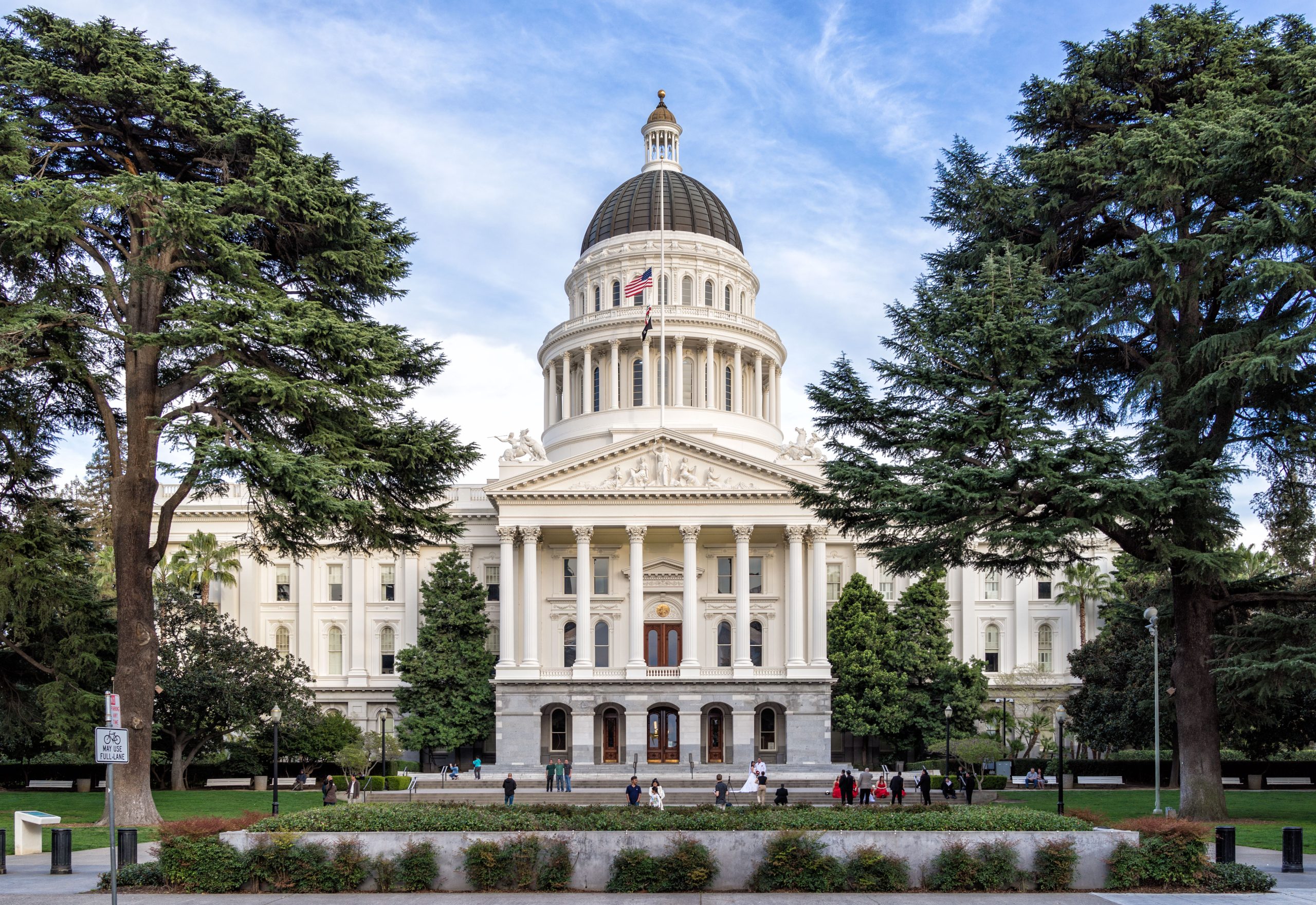
California deserves special mention. The state has introduced an Unflavored Tobacco List requiring manufacturers to register every individual SKU with the California Attorney General at a cost of $300 per application and $150 for annual renewal. Major cigar companies including Arturo Fuente, Padrón, My Father Cigars and others have filed legal challenges against the system, arguing it imposes disproportionate burdens on premium cigar manufacturers. The lawsuit is ongoing. On top of registration, retailers must hold a valid state licence, and as of July 2026, the cigar tax rate in California stands at 51.08% of the wholesale cost. For a small brand with a catalogue of twenty or thirty references, the registration fees alone represent a significant upfront investment before a single cigar is sold.
The result is that entering the US market properly requires not one strategy but many, built state by state, distributor by distributor, with the regulatory and tax picture recalculated at every step.
The Middle East and Asia offer real opportunities, but each market comes with its own import regulations, religious or cultural restrictions, and distribution networks that sometimes have to be built entirely from scratch.
Regulation isn’t designed to kill small brands. But it isn’t designed to help them either. It’s built for an industrial sector, and small players have to meet the same bar with a fraction of the resources.
Nobody Asked for Another Cigar Brand
Walk into any well-stocked cigar lounge and look at the humidor. It’s probably already full. Every slot represents a decision the retailer made, a brand they chose to carry, a relationship they built, and a customer base they know better than anyone. When you show up with your new brand, you’re not filling a gap. You’re asking them to create one. I know this from both sides of the counter: working at the cigar store at the Hotel Adlon Kempinski in Berlin, I turned down brands that came to us, for the same reasons any retailer would. And representing a brand internationally, I’ve had the door closed on me in Parisian boutiques that simply had no room, no interest, or no confidence in a lesser known label when Davidoff, Plasencia, Arturo Fuente, and the Cuban brands were already taking up every available inch of the humidor. The frustration is real in both directions, and the exercise can quickly become a headache.
The retailer’s reality is straightforward. Space is limited. Customers tend to reach for what they know, and boutique brands with unfamiliar names struggle to justify their price point, which is often high precisely because small production runs offer little control over costs. From the retailer’s perspective, carrying your cigars is a risk with no guaranteed return.
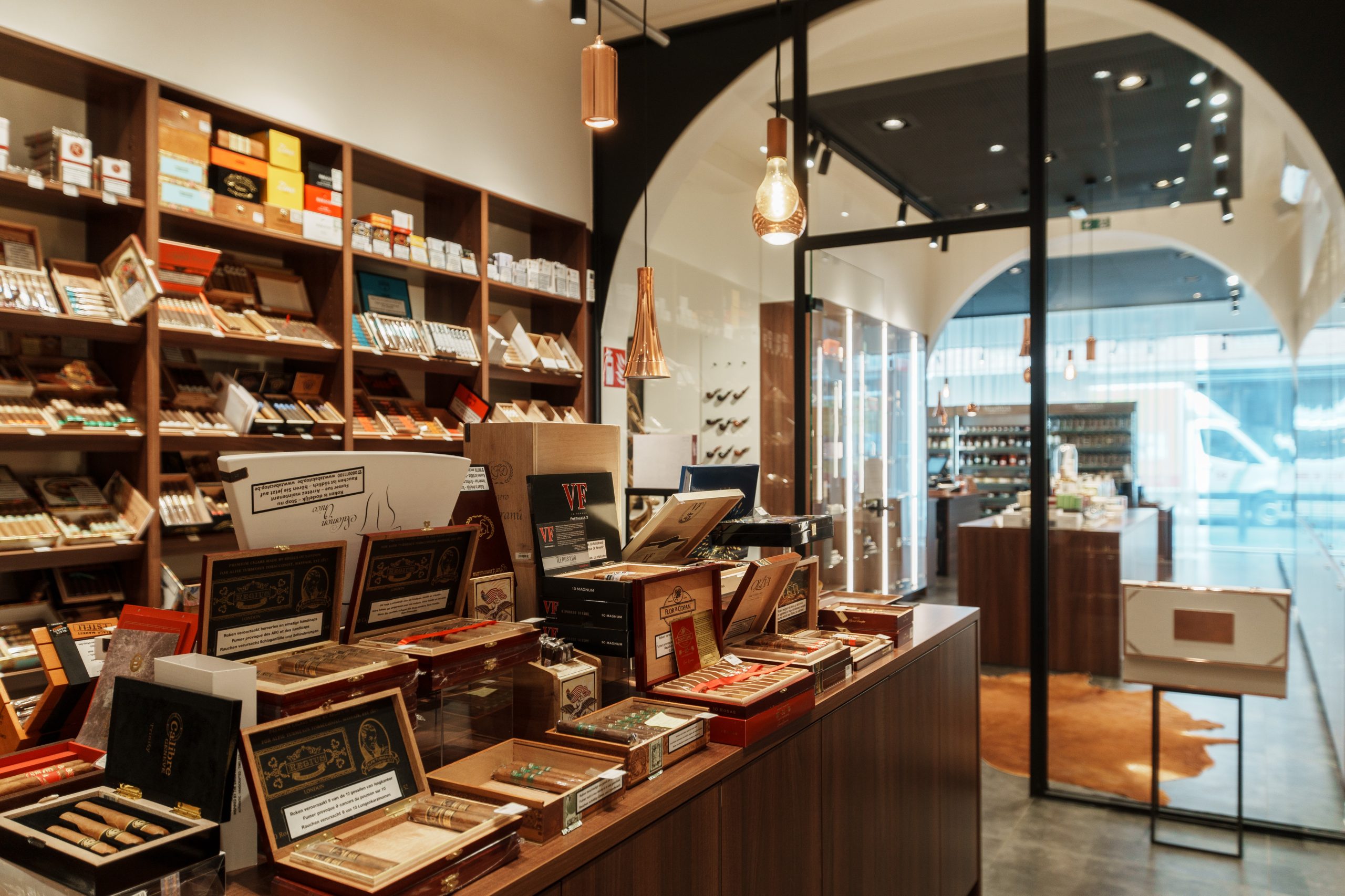
To get through the door, some brands pay for shelf space. Others invest in goodies, cutters, lighters, branded accessories, anything that makes the retailer feel the relationship is worth their while. The bigger players go further, flying retailers and their staff to the Dominican Republic, Honduras, or Nicaragua for factory visits, or organising high-end events and training sessions that leave a lasting impression. In a few weeks, I’ll be attending another Davidoff event myself, an evening in a Michelin-starred restaurant paired with cigars from their range, the kind of experience that builds genuine loyalty and keeps a brand front of mind long after the last smoke. These initiatives cost a great deal of money, and that’s precisely the point: they are a statement of intent that small brands simply cannot match, and distributors rarely contribute to that kind of investment for a lesser-known label.
Then there’s the education piece. Even if a retailer is open-minded, you need to convince them. And the odds are stacked against you at every step. They might simply not be interested. Your product might not suit their palate after sampling. They might love it but have no space. They might have space but feel the price is too high for their clientele. Each of these is a dead end, and each one requires starting the conversation over somewhere else, with another retailer, in another city, in another country.
There is also a subtler version of this problem that I’ve experienced firsthand: visiting a boutique that was already carrying the brand I represented, only to find that the staff member behind the counter didn’t believe in the product, found it too expensive, didn’t like the manufacturer, or simply had a personal preference for something else. The result was that customers never even got to discover the brand, because the person recommending cigars that day had already decided it wasn’t worth their attention. Getting into a humidor is one thing. Getting recommended from it is another challenge entirely.
And then there’s the question of visibility. Has your blend been reviewed by respected magazines or voices in the industry? Has it won any medals or ratings? If not, you’re asking retailers and their customers to take a leap of faith on a product with no independent validation. If yes, you’ve invested in competitions and outreach with no guarantee of the result.
In many markets, particularly the United Kingdom, there is another obstacle that has nothing to do with shelf space or price points. Cuban cigars dominate. Period. They have for decades, and the loyalty they command among customers is deeply ingrained. A retailer whose customers reach instinctively for Cohiba or Montecristo, no matter the price, has little incentive to champion an unknown non-Cuban brand, however good it may be. Inside the United States, the embargo has kept Cuban cigars off the market entirely and created a thriving New World cigar culture by necessity. Outside it, a non-Cuban brand enters most markets already fighting a perception battle it didn’t choose.
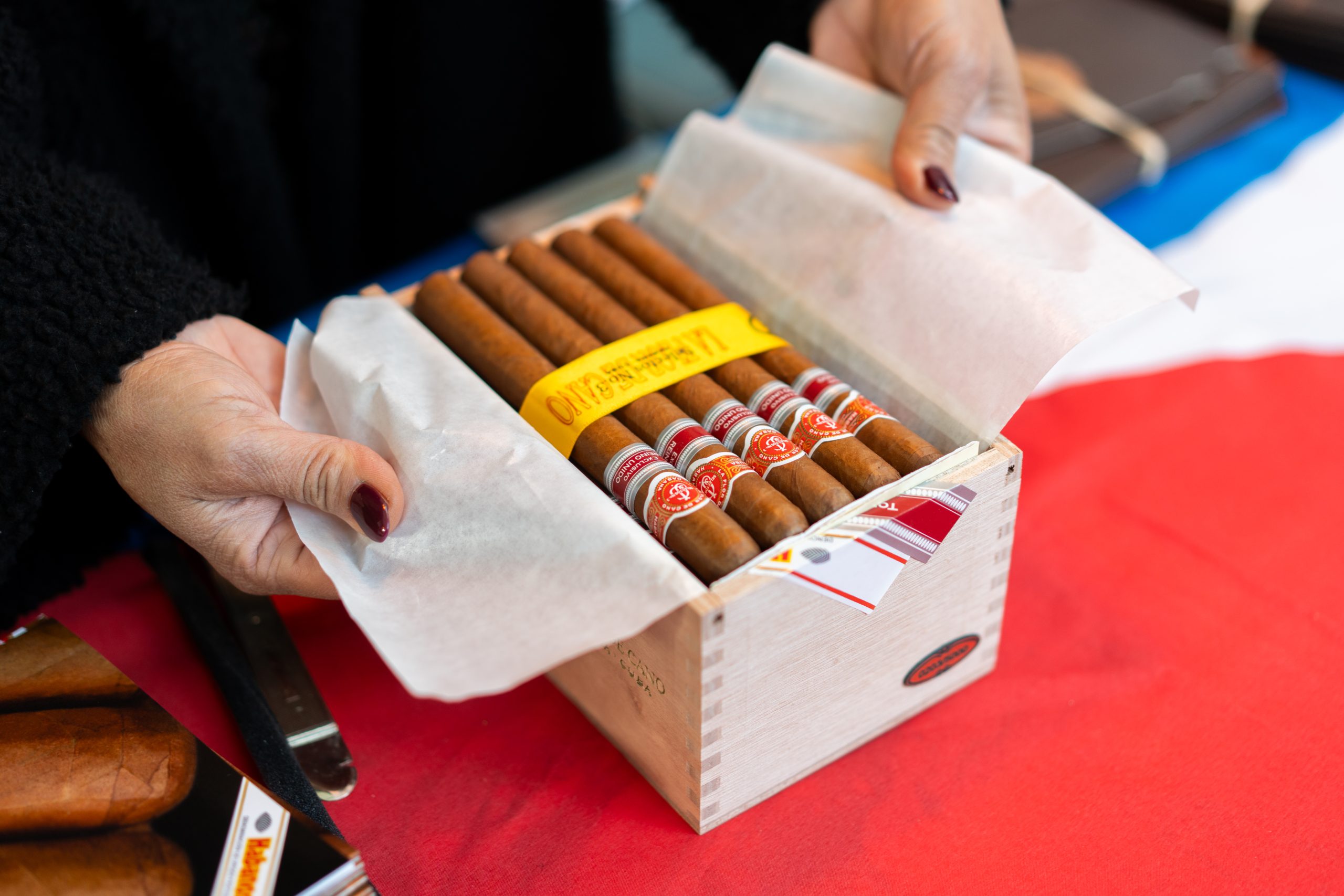
There is, however, a shift underway. Cuban cigar prices have risen sharply in recent years and become increasingly rare, and a growing number of consumers are exploring other origins for the first time, initially out of economic necessity rather than curiosity. For new brands with something genuine to offer, this represents a real opening. But it requires patience, and it requires being in the right place when that curiosity finally arrives.
Multiply all of this by every retailer in every market you want to enter. It is, without question, one of the most underestimated challenges of building a cigar brand from scratch.
What Lasting Brands Have in Common
The brands that survive and eventually find their place have rarely followed a glamorous path. What they have in common isn’t luck or starting capital.
It’s patience, first. They didn’t try to be everywhere at once. They chose a market, a distribution network, a customer base, and they worked that territory properly before thinking about expanding. Hiram & Solomon, a US-based boutique brand I worked for, took over a decade to grow from a small independent label into a recognised name in the premium cigar world. The road involved significant investment, plenty of mistakes, and the kind of sustained commitment that most people underestimate when they’re still in the planning stage.
It’s also a healthy scepticism. The founders who make it have learned, often the hard way, never to sign anything they haven’t fully understood, never to pay before they’ve received, and to verify a partner’s track record before extending any trust.
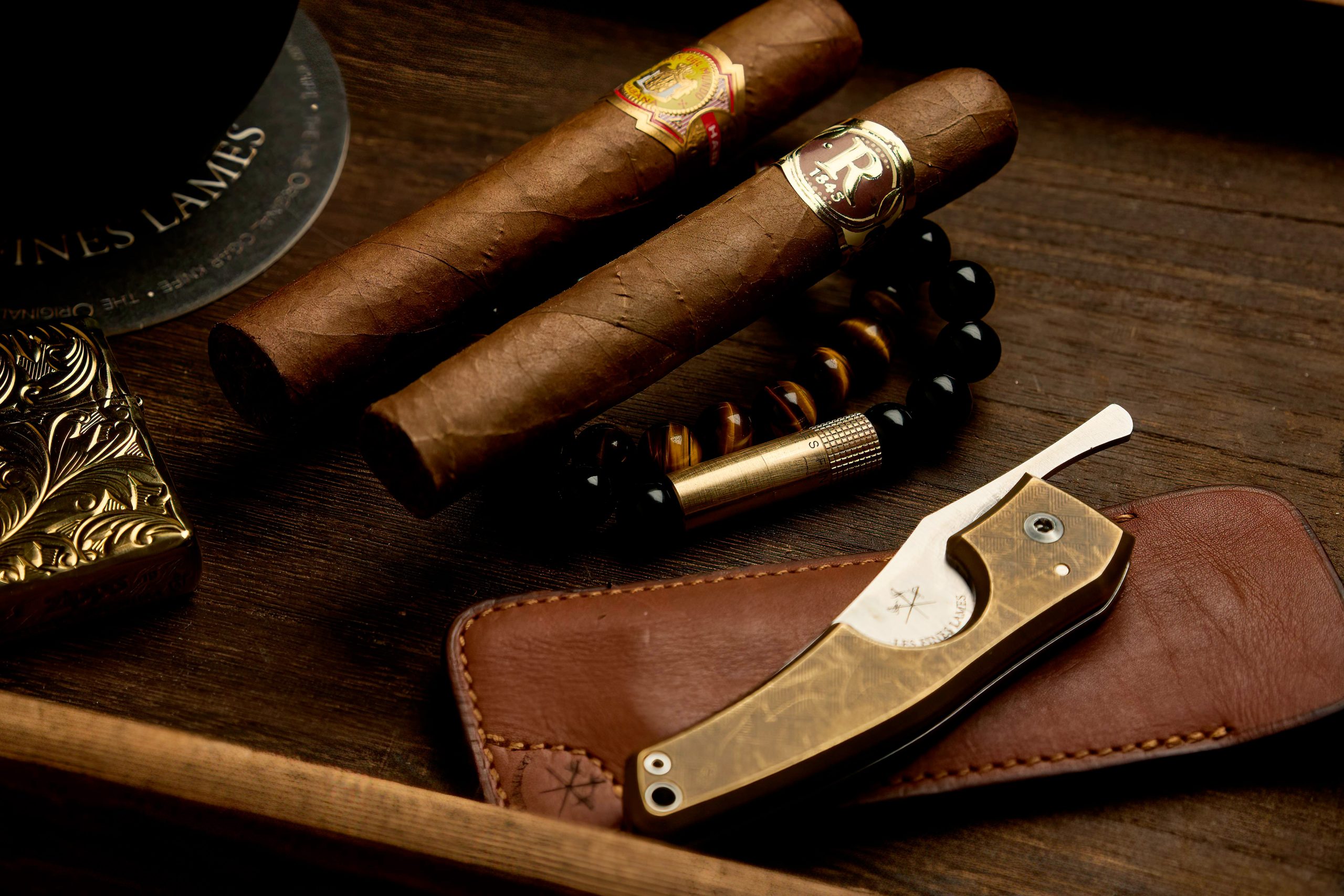
And finally, it’s knowing what they don’t know, and having the connections to fill the gaps. When I met Pierre Jourdan in Marseille last year, he told me the story of how he built Les Fines Lames, the French cigar accessories brand he launched in 2015. He started alone, built the brand gradually, and surrounded himself with the right people over time, before eventually selling to the Vandermarliere Cigar Family, owners of brands including Oliva. Pierre doesn’t make cigars, but he understood the industry, identified what he needed that he didn’t have, and found the people who could provide it. His exit to a major group is, in this industry, one definition of success.
Final Thoughts
None of this should put off someone with a real project, a clear vision, and the capacity to take a few hits. The artisan cigar world needs new voices, new identities, brands that bring something the major houses simply can’t offer. But passion alone doesn’t pay import duties. It doesn’t negotiate with a manufacturer. It doesn’t protect your brand name if you haven’t thought to register it. This article covers the main obstacles. Every market, every manufacturer, and every distribution chain will add its own. Go in with your eyes open. It’s the only way to stay in.